NASCAR 2027 Schedule Release Date: What Is Confirmed and What Comes Next
NASCAR has not announced a date for publishing the complete 2027 national-series schedule as of August 8, 2026, but several official pieces are already public. This fan-first tracker separates exact dates, confirmed placements, stated plans and speculation, then explains when recent schedules appeared and what to do before the full calendar lands.
NASCAR has not announced a release date for the complete 2027 national-series schedule as of August 8, 2026. Several official pieces are already public: the Daytona 500 is set for February 21, Watkins Glen will move into September and the early Chase, and the Craftsman Truck Series will return to St. Petersburg on March 6. This tracker separates exact dates, confirmed placements, stated plans and goals so a fan can tell what is safe to book and what still needs verification. Once the full slate lands, the complete NASCAR schedule will be the live planning tool.
Is the Full 2027 NASCAR Schedule Out Yet?
No. NASCAR has not announced a publication date for the complete 2027 national-series schedule as of August 8, 2026. What is public is a small set of official pieces, including a September placement for the Cup Series at Watkins Glen and a March date for the Craftsman Truck Series at St. Petersburg. Those are useful anchors, but they do not add up to a full Cup, O’Reilly Auto Parts Series or Truck Series calendar.
2027 schedule status — checked August 8, 2026
- Complete Cup schedule: Not yet released
- Official full-schedule release date: Not announced
- Individual official events: Yes, several fragments are public
- Best next step: Track official updates, then use the complete NASCAR schedule when the full slate is posted
What “schedule released” actually means
A track can announce its return, sell renewals or name a month before NASCAR publishes the master calendar. Watkins Glen is the cleanest example: NASCAR confirmed that the Cup weekend will move into September and sit early in the 10-race Chase, while also stating that the exact date had not been specified. St. Petersburg went one step further with an exact March 6 date, but that announcement is for the Truck Series—not Cup.
For this guide, “full schedule released” means NASCAR has published the complete slate for a series, with every points race and exhibition in sequence. That is what the sanctioning body did for 2026 when it released full Cup, O’Reilly and Truck tables after some headline events were already known. Until the equivalent 2027 release appears, any complete-looking grid built from renewals, ticket pages, media reports or fan posts remains an unofficial reconstruction.
That distinction matters at booking speed. A confirmed date can support a hotel search; a confirmed month cannot support nonrefundable flights; and a Truck date says nothing by itself about whether Cup cars share the weekend. The useful approach is to label each item by its actual evidence instead of treating every public clue as equally final.
When NASCAR Released the Last Four Schedules
Recent NASCAR schedules have arrived between August 20 and October 4 of the preceding year. That makes late summer and early fall a sensible period to watch for the 2027 announcement, but it does not establish an official release window. The last two slates came in August; the two before them came in September and October.
| Season announced | Official release date | What NASCAR published |
|---|---|---|
| 2023 | September 14, 2022 | National-series slates for Cup, Xfinity and Trucks |
| 2024 | October 4, 2023 | Cup schedule with links to Xfinity and Truck schedules |
| 2025 | August 29, 2024 | Complete Cup, Xfinity and Truck listings with broadcast partners |
| 2026 | August 20, 2025 | Complete Cup, O’Reilly Auto Parts and Truck listings with broadcast partners |
Why the pattern is a window, not a deadline
The useful signal is the spread, not the average. NASCAR moved from a mid-September announcement for 2023 to early October for 2024, then into late August for 2025 and 2026. A fan can reasonably begin checking more often in August 2026, but there is no evidence in those four pages that NASCAR owes the 2027 calendar on August 20, August 29 or any matching weekday.
There is another wrinkle: “the schedule” is not always one identical data package. The 2023 release focused on dates and tracks. The 2024 Cup table included networks and start times. The 2025 and 2026 releases paired race dates with broadcast partners, while detailed times could still be handled through later updates. That means two true statements can coexist: the season calendar may be official, and some race-day details may still be incomplete.
Our editorial estimate is therefore deliberately broad: late summer through early fall is the evidence-based watch period, not a promised 2027 release date. If the announcement arrives later than the two most recent editions, that would still fit the four-season history. Until NASCAR publishes the 2027 tables, the honest status remains “date not announced.”
What Is Officially Confirmed for 2027
Three schedule anchors clear a first-party test: the Daytona 500 has an exact Cup date, Watkins Glen has a confirmed Cup month and Chase position, and St. Petersburg has an exact Truck date. They carry different levels of planning certainty, so the missing column matters as much as the confirmed one.
| Series and event | Official 2027 detail | Still missing | Fan-planning status |
|---|---|---|---|
| Cup — Daytona 500 | Sunday, February 21 | Start time and full Speedweeks timetable | Exact race date; suitable travel anchor |
| Cup — Watkins Glen | September, early in the 10-race Chase | Exact weekend and start time | Confirmed placement; wait before fixed travel |
| Trucks — St. Petersburg | Saturday, March 6 | Rest of the Truck calendar and race-day details | Exact Truck date; not evidence of a Cup race |
Daytona 500 — Sunday, February 21
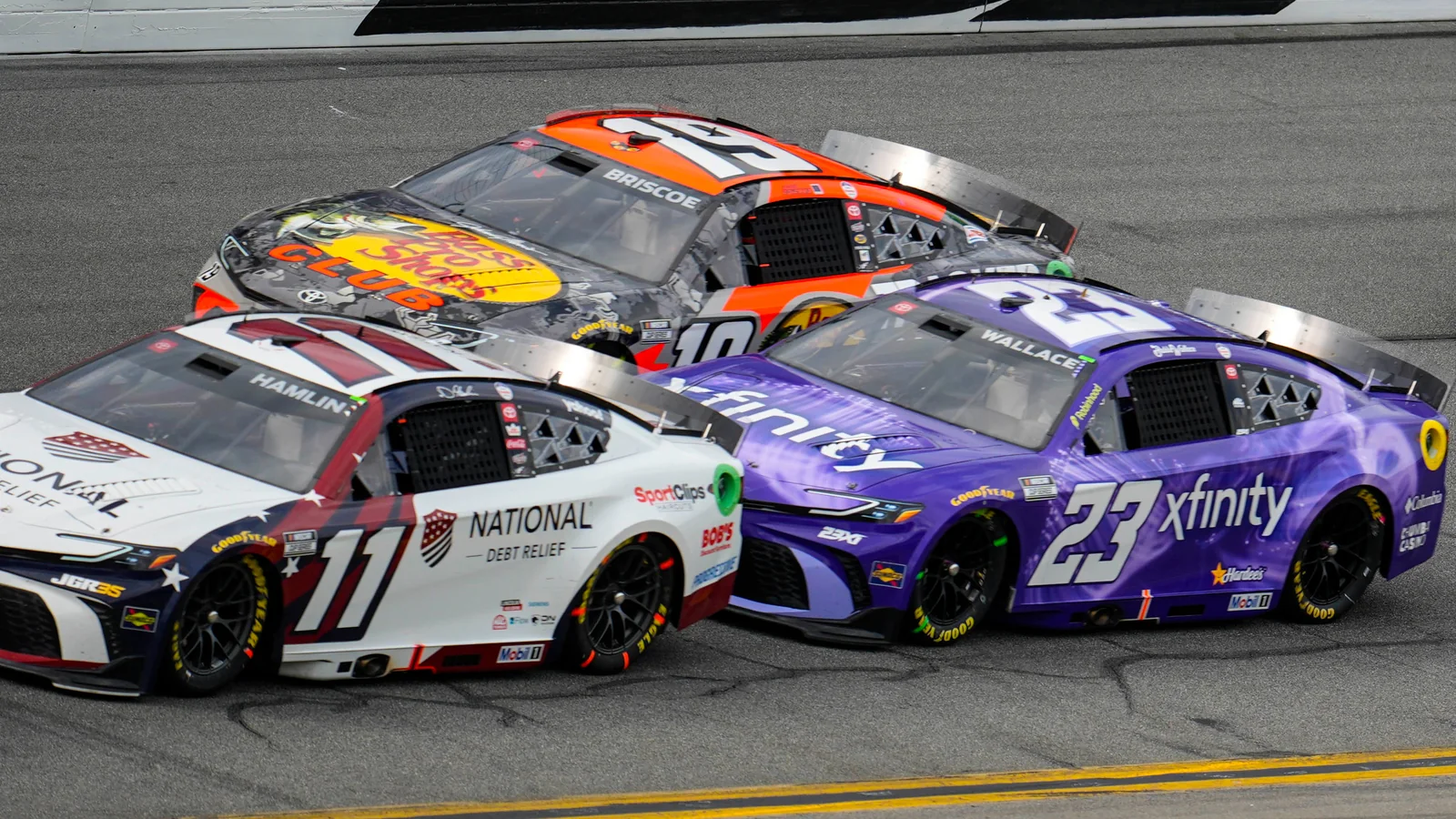
Daytona International Speedway announced the 69th running of the Daytona 500 for February 21, 2027. That is the firmest Cup marker currently available: the event, series, venue and day are all identified. The green-flag time is not part of that announcement, and the rest of the 2027 Speedweeks sequence should not be copied from 2026 until Daytona publishes it.
The date also carries an extra racing storyline. Jimmie Johnson has identified the 2027 Daytona 500 as his final Cup Series start. That does not make the date more official—the speedway announcement already does that—but it can add demand around an event that already drives long-range travel. Fans ready to plan should use the 2027 Daytona 500 ticket guide and keep flexible timing around race morning until the start time is official.
Watkins Glen — September, exact date not yet named
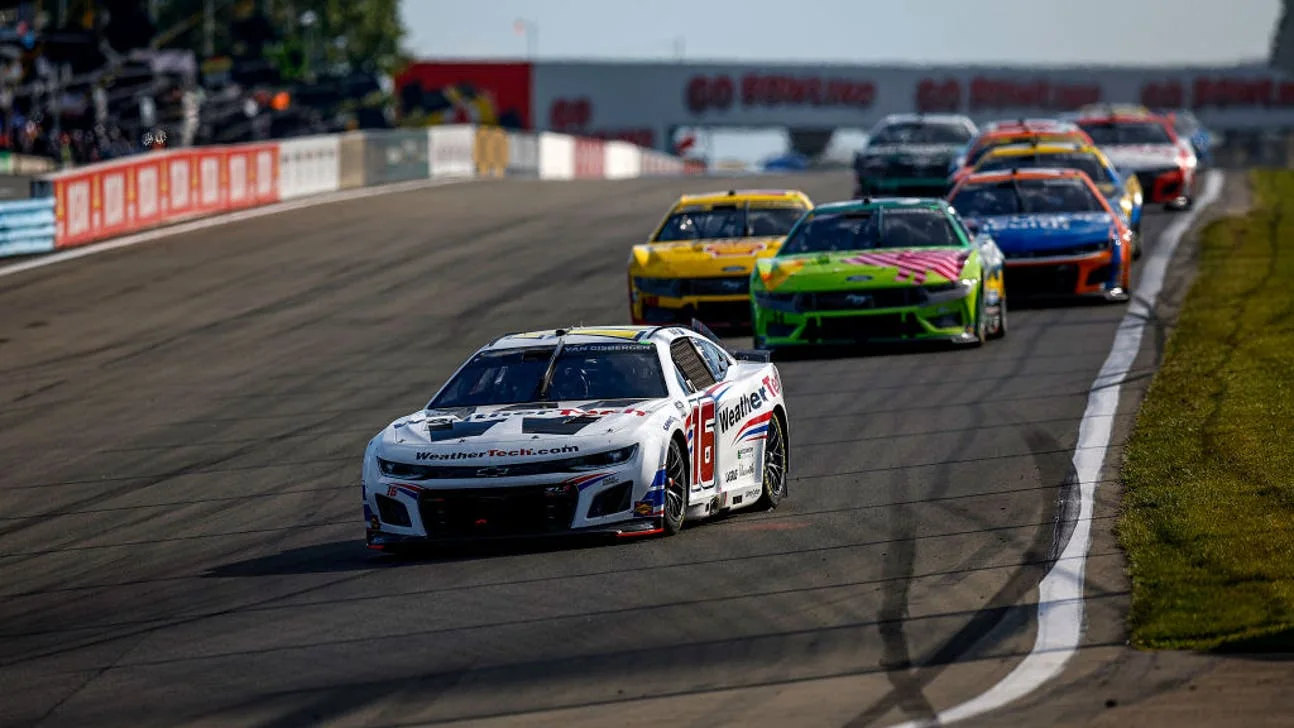
Watkins Glen International is confirmed for a September Cup weekend in one of the earliest positions of the 10-race Chase. That is competitively meaningful: a road course returns to the championship run after a 2026 Chase with none, giving drivers a track-position and braking test early in the title sequence. But “September” still covers several possible travel weekends. A renewal can make sense for a returning ticket holder; a nonrefundable hotel tied to one guessed Sunday cannot.
St. Petersburg Trucks — Saturday, March 6
The Craftsman Truck Series will return to the St. Petersburg street circuit on March 6, sharing the event with IndyCar’s March 7 race. This one has an exact date and a clear series label. NASCAR also said the rest of the Truck schedule would come later, making the announcement a perfect example of a confirmed race without a confirmed season.
These three anchors are enough to start a verified tracker, not enough to fill a 2027 wall calendar. Every additional row should earn its place through an official NASCAR or track announcement that names the series and at least a usable placement.
Cup, O’Reilly and Truck Dates Must Stay in Separate Lanes
A confirmed NASCAR race is not automatically a Cup Series race. St. Petersburg is the current trap: the March 6, 2027 announcement belongs to the NASCAR Craftsman Truck Series, with IndyCar racing the following day. Nothing in that announcement places the Cup Series or NASCAR O’Reilly Auto Parts Series on the Florida street circuit.
A Truck date does not create a Cup weekend
That distinction is more than branding. The 2026 release paired a 25-race Truck slate with a 33-race O’Reilly schedule, and the tours did not visit an identical set of venues. Some weekends bring all three national series together; others are stand-alone opportunities built around one series. A fan searching one broad phrase can therefore find a real date, a real NASCAR event and the wrong garage.
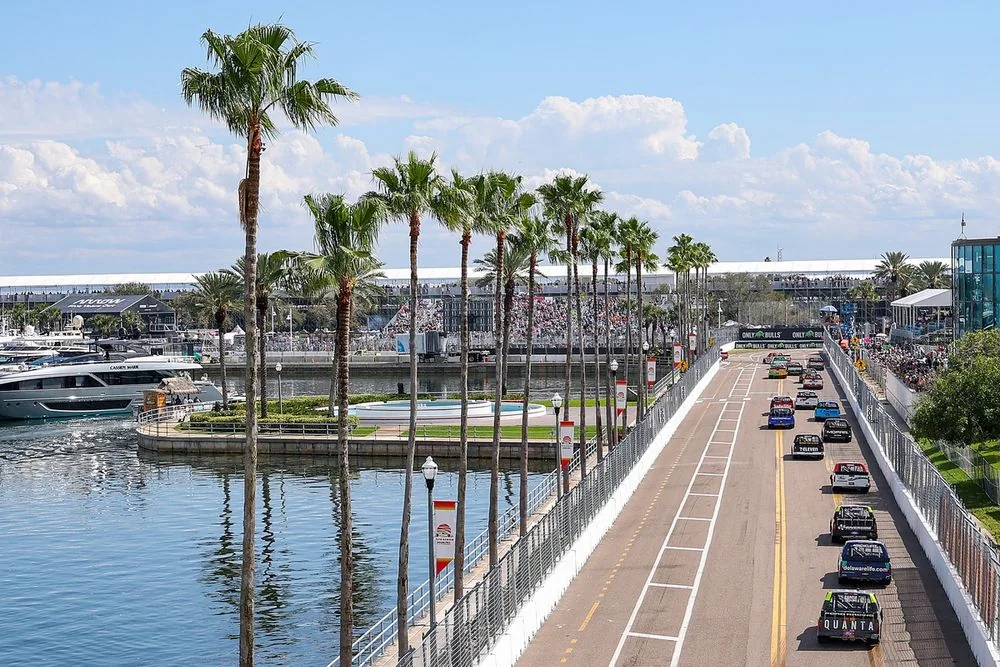
St. Petersburg also shows why the series can create its own identity. The 2026 debut was the first Truck Series street-course race, and Layne Riggs won it. Returning in 2027 continues that Truck-specific story; it does not need a Cup race beside it to be significant. For a fan, the question is whether the product on track matches the trip they want—not whether the event carries NASCAR lettering.
Use a three-question test on every partial announcement
- Which series? Look for Cup, O’Reilly Auto Parts or Craftsman Truck Series in the headline and event listing.
- What kind of event? A points race, exhibition and companion race occupy different places in a season.
- How precise is the timing? An exact day supports more planning than a month or a general Chase placement.
Start time and network are a separate layer. NASCAR published the 2023 national-series date/track slates on September 14, 2022, then announced start times and networks on November 9. The calendar was real during that gap; it simply was not operationally complete for television and race-day arrival. When 2027 dates land, read the series, event type and timing precision first. Add the channel and green-flag time only when those fields are official.
Homestead, Chicago and Other Talk: What Is Not Final
Homestead-Miami is a stated NASCAR plan, while a downtown Chicago return is a stated goal; neither should be displayed as a final 2027 schedule row yet. That wording is not nitpicking. A plan from a NASCAR spokesperson deserves more weight than a fan prediction, but an exact date in the master calendar is still a higher level of confirmation.
| Evidence level | 2027 example | What a fan can safely say |
|---|---|---|
| Official exact date | Daytona 500 — February 21 | The race date is confirmed |
| Official placement | Watkins Glen — September, early Chase | The month/role is confirmed; the weekend is not |
| Stated plan | Homestead-Miami as the season finale | NASCAR plans it, pending the published slate |
| Stated goal | Downtown Chicago return | The parties want it; an event is not yet final |
Homestead is a stated plan, not a published finale line
NASCAR.com reported in February that Homestead-Miami Speedway was likely to remain the championship site in 2027. Mike Forde, NASCAR’s managing director of communications, described the plan as holding the finale there again before evaluating the future rotation. That is credible, attributable direction from NASCAR. It still leaves the exact weekend and its final place in the complete national-series tables unpublished.
For race fans, the distinction protects the championship trip. A finale affects the whole Chase route and attracts travelers who want to see the title decided, so the venue carries more planning weight than an ordinary renewal. But “the plan” is not yet the same object as a dated finale row with companion-series and broadcast detail.
Chicago’s 2027 return was a goal
When NASCAR paused the downtown Chicago Street Race for 2026, the sanctioning body said it and city officials would explore a new date and operating plan with a goal of returning in 2027. “Goal” preserves the possibility; it does not guarantee the event. A full calendar posted by an unofficial site should not turn that conditional language into a race weekend.
Renewals, deposits and leaks are clues—not the master schedule
Watkins Glen demonstrates the middle ground. Its official track site sells early-bird inventory for September 2027, matching NASCAR’s confirmed month, while the exact date remains unnamed. The product is real; the missing day is still missing. Likewise, a renewal notice can tell a returning customer that a track expects NASCAR back without necessarily proving the precise Cup weekend or every companion series.
The clean editorial rule is to preserve the source’s verb: will race, will move, plans, aims and could are not interchangeable. That keeps a useful tracker honest as new pieces arrive and prevents rumors from becoming “confirmed” merely through repetition.
Why the Complete Schedule Can Take Time
A NASCAR date is connected to the Chase, broadcast handoffs, off weekends, companion series and the operating limits of the venue. Moving one race is not simply dragging a row on a spreadsheet. The 2026 release showed the dependency chain clearly: new and returning venues arrived alongside an All-Star move, a different championship track, a realigned Chase and two Cup off weekends.
Venue placement and the Chase shape each other
Watkins Glen’s move from May 2026 to September 2027 changes more than the weather. It restores a road course to the 10-race Chase and places a braking-and-cornering discipline near the front of the championship run. That changes the mix of tests facing title contenders: teams cannot evaluate the opening Chase sequence as an all-oval block, and a road-course result can shape the pressure carried into later races.
The shift also changes the fan side of the event. Watkins Glen’s track president described how an unusually early May date compressed the facility’s event-season opening and forced adjustments for brisk Finger Lakes conditions, right down to what merchandise the track stocked. September is a broad confirmation, but the eventual weekend will determine camping nights, school/work conflicts and the exact gap between Chase races. That is why the day still matters after the month is known.
Broadcast windows and event logistics remain part of the puzzle
For 2026, FOX Sports carried the opening portion, Prime Video and TNT Sports each received five-race blocks, and the final 14 Cup races ran across USA Network and NBC. Those runs were also tied to the In-Season Challenge, an off weekend and the path into the Chase. The schedule therefore has to read as one season for competitors while also forming usable blocks for fans and broadcast partners.
New-event work continues after a headline announcement. In the 2026 release, Ben Kennedy described the collaboration behind the calendar and the remaining San Diego tasks: course design, the event manifest, ticketing and the balance of on-track and off-track activity. That example does not prove San Diego is delaying 2027—no official source reviewed here says that. It shows why venue confirmation and a fully operational calendar are different milestones.
Start times can be another later layer. NASCAR published the 2023 dates and tracks in September 2022, then issued the network/time package with FOX and NBC in November. Fans should not read a TBD time as evidence that a race date is fake; they should read it as a field still awaiting confirmation. The complete 2027 release may answer tracks and dates before every operational detail is settled.
What Fans Can Safely Plan Before the Release
Plan against the precision you have, not the race you expect. Daytona’s exact date can anchor a trip. Watkins Glen’s September placement can trigger an alert or flexible hold, but not a guessed nonrefundable weekend. St. Petersburg can anchor a Truck/IndyCar trip only if that is the series combination you actually want.
| Official status | Reasonable action now | Wait for | Avoid |
|---|---|---|---|
| Daytona 500 — February 21 | Compare tickets and cancellable lodging for Daytona Beach | Start time and complete Speedweeks schedule | Assuming every support race repeats its old day/time |
| Watkins Glen — September | Renew if desired; set travel and exact-date alerts | Named weekend and daily timetable | Guessing one September Sunday for fixed travel |
| St. Petersburg Trucks — March 6 | Plan for Trucks Saturday and IndyCar Sunday | Ticket on-sale and detailed session times | Expecting Cup or O’Reilly without confirmation |
| Plan, goal or rumor only | Join official track alerts and keep options reversible | A NASCAR/track date naming the series | Nonrefundable transport tied to a fan-made calendar |
Book confirmed events differently from provisional weekends
Daytona announced February 21 early because its audience makes lodging and travel plans far ahead. That is permission to work from the Sunday date, not permission to invent a green-flag time or copy the 2026 support schedule. Check what the exact ticket product includes, then price hotel, parking and transportation as a complete trip.
Watkins Glen’s official early-bird sales are real even with no exact September date in NASCAR’s announcement. A returning fan may value keeping a seat or campsite; a fly-in fan has a different exposure. Before paying, read the track’s terms and ask whether the product follows the event if the weekend moves. For lodging, verify the cancellation deadline yourself—“refundable” is only useful if its cutoff survives the expected schedule-announcement window.
Verify series, date and product before checkout
- Series: Cup, O’Reilly and Trucks are separate calendars.
- Date precision: Exact day, month-only and stated goal require different commitments.
- Product: A renewal, deposit, weekend ticket and travel package may have different inclusions.
- Change terms: Read the seller’s current cancellation, transfer and event-change rules instead of assuming every product moves the same way.
- Update path: Save the live 2027 schedule page and use NASCAR calendar downloads only after the official date appears.
The best pre-release move is often administrative, not expensive: create the track account, join official alerts, compare travel zones and decide which series matter to your group. Then the actual release becomes a confirmation exercise instead of a rush built on rumors.
What to Check When the 2027 Schedule Drops
Do not stop at the track list. The first useful read is the season’s competitive shape: which events pay points, where the Chase begins, where the off weekends sit and which series share each facility. The second read is operational: day, channel, start time and whether those details are final or still TBD.
Dates first, start times and channels second
NASCAR’s first 2026 release arrived August 20, 2025 with separate national-series tables, event dates and broadcast partners. The detailed start-time/network package followed November 12. That gap is a practical model for reading 2027: a Sunday at a named track can be official even if the green-flag time is still missing, while a TV partner does not automatically tell you whether the race begins in daylight or under the lights.
- Series: Confirm whether the row is Cup, O’Reilly Auto Parts or Craftsman Trucks.
- Event status: Separate points races from the Clash, All-Star Race or another exhibition.
- Date and day: A Saturday night can change travel and support-race plans even when a track keeps its familiar weekend.
- Regular season versus Chase: Mark the regular-season finale, the 10-race Chase sequence and the championship event.
- Track type sequence: Look at where superspeedways, short tracks, intermediates and road courses fall—not just how many appear.
- Off weekends: An empty Cup Sunday may still carry O’Reilly, Truck or another NASCAR event.
- Companion series: Check whether Friday/Saturday races are actually part of the same venue weekend.
- Broadcast and time status: Treat `TBD` as unfinished detail and recheck before travel or viewing.
Read the sequence like a race fan
Watkins Glen’s confirmed early-Chase move is a good example. Once the full table lands, its exact neighbors will reveal the turnaround teams face before and after the road course. That sequence matters for setup preparation, driver discipline and the pressure around the NASCAR standings. A venue announcement tells you where NASCAR is going; the master calendar tells you what that race asks of the championship field.
After the first read, save the NASCAR TV schedule for channel/time updates and use this weekend’s NASCAR schedule for race-week practice, qualifying and companion events. The annual release builds the skeleton. Race-week schedules supply the operating detail.
Quick Answers About the 2027 NASCAR Schedule
When will the full 2027 NASCAR schedule be released?
NASCAR has not announced the full 2027 schedule release date as of August 8, 2026. The two most recent calendars were released in August of the preceding year, while the two before those arrived in September and October. Late summer into early fall is a reasonable monitoring window based on that history, not an official deadline.
A full-looking calendar on a ticket or fan site does not change the answer. Wait for NASCAR’s complete series tables, then use the 2027 schedule tracker as the live reference.
Is the 2027 Daytona 500 date official?
Yes. The 69th Daytona 500 is officially scheduled for Sunday, February 21, 2027. Daytona International Speedway announced the date in October 2025. The announcement did not provide the 2027 start time or complete Speedweeks schedule, so those fields should remain TBD rather than being copied from another year.
Is Watkins Glen in the 2027 Chase?
Yes. NASCAR says Watkins Glen International will race in September 2027 in one of the earliest slots of the 10-race Chase. The placement brings a road course back into the title run, but the exact weekend has not been announced. Fans can follow September ticket information while keeping travel dates flexible.
Is St. Petersburg a Cup race in 2027?
No Cup race at St. Petersburg is confirmed by the official announcement reviewed for this article. The confirmed event is the NASCAR Craftsman Truck Series race on Saturday, March 6, 2027, paired with IndyCar on Sunday. Treat it as a real Truck date—not a placeholder for a Cup or O’Reilly weekend.
About the author
NASCAR Schedule Editorial Team
The NASCAR Schedule editorial team turns verified schedules, timing and scoring, official announcements and race-weekend context into direct answers for fans.
View all articles by this author →Join the discussion
Comments
Sign in with Google to comment. Keep it race-focused; new comments are reviewed before publication.
Loading comments…