NASCAR San Diego Tickets 2026: Prices, Admission and What Fans Got
A source-checked historical guide to 2026 NASCAR San Diego ticket prices, admission tiers, parking, viewing tradeoffs and lessons from the completed Naval Base Coronado weekend.
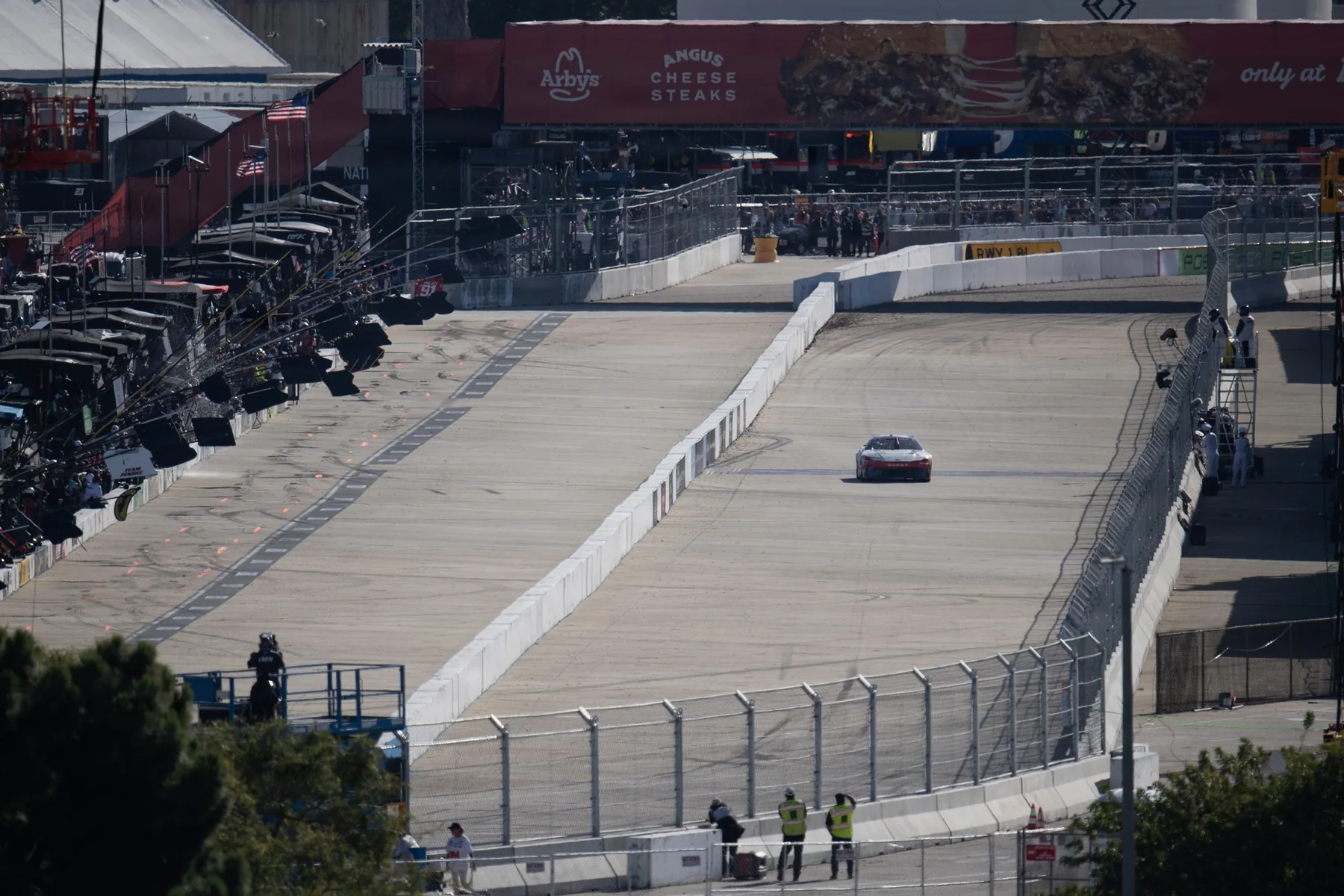
NASCAR San Diego 2026 tickets are no longer for sale: the June 19–21 weekend at Naval Base Coronado is complete, and Corey Heim won Sunday's Cup Series Anduril 250. This guide records what fans paid, what Base Pass, grandstand and premium admission included, and how parking, security and street-course sightlines affected the value. Because official checkout pages removed much of the original price grid, every surviving price below is labeled as face-value context, a resale snapshot, a fan observation or contemporaneous hospitality reporting. As of August 8, 2026, interest in a return exists, but no official 2027 San Diego date or ticket sale is confirmed.
Are NASCAR San Diego 2026 tickets still available?
No. NASCAR San Diego 2026 tickets are no longer an active product because the June 19–21 race weekend is complete. NASCAR's official leaderboard lists the Sunday Cup Series race at Naval Base Coronado as Final, and post-race inspection confirmed Corey Heim as the Anduril 250 winner. The event website has also moved its primary ticket pages to a “Thank you race fans” message.
2026 event status at a glance
- Friday, June 19: Craftsman Truck Series race completed.
- Saturday, June 20: O'Reilly Auto Parts Series race completed.
- Sunday, June 21: Cup Series Anduril 250 completed; Corey Heim won.
- Current ticket status: no remaining 2026 admission and no day-of inventory.
The event is Final, not postponed or upcoming
That distinction matters because ticket pages and resale listings can remain indexed long after the checkered flag. Before the weekend, the official organizer said Saturday and Sunday general admission had sold out. Its FAQ also stated that there would be no walk-up or day-of-event sales. Those notices describe the final days before the race; they do not mean that premium inventory or a waitlist still provides admission now.
Fans researching what happened can use the completed San Diego Cup race page for the result and highlights, or browse NASCAR results by series. A marketplace page that still shows the June 2026 venue is only a historical event shell unless it clearly lists a new, officially announced date.
A future-interest form is not a 2027 race announcement
The official San Diego page now asks fans to register for news about future opportunities, including what may come in 2027. That wording is deliberately noncommittal. As of August 8, 2026, the page does not supply a 2027 race date, course map, ticket onsale or admission terms. A fan can join the list for updates, but should not book a trip or buy a speculative listing on that basis.
This article therefore treats every price and product below as a record of the inaugural 2026 weekend. If NASCAR later confirms another San Diego event, the new official schedule and ticket terms—not the archived 2026 pages—will control.
How much did NASCAR San Diego tickets cost?
The surviving evidence puts ordinary two-day grandstand admission in the low-to-high hundreds, while premium hospitality ran from roughly $900 to more than $10,000 per person. That is a historical range, not a current quote. The official checkout inventory has closed, and the event pages no longer display a complete face-value grid for Base Pass, Base Pass Plus and every grandstand section.
What can still be verified after checkout closed
| 2026 product or market snapshot | Recorded price | How to read it |
|---|---|---|
| Regular grandstand, two days | $215–$399 | Fan-reported range seen during the sales period; useful context, not an official archived price sheet. |
| Sunday Cup resale get-in | $202 | Lowest secondary listing observed by a price tracker on June 17; not an average or guaranteed checkout total. |
| Hangar Club, two days | $892–$1,097 | Contemporaneously reported hospitality pricing for the Turn 8/9 club. |
| Admiral's Club, two days | $2,550–$4,207 | Reported all-inclusive club pricing at the start/finish end of the circuit. |
| 1948 Club, Sunday | $10,810 | Reported one-day ultra-premium experience, not a normal reserved-seat benchmark. |
The confidence level is different in every row. The $202 figure is a time-stamped resale floor only four days before the Cup race. The $215–$399 grandstand range comes from an individual fan who viewed inventory during the original sales window. The hospitality figures were reported by sports-business journalist Adam Stern while NASCAR and Elevate were selling those products. None should be converted into a claim that every fan paid that amount.
Why face value, resale get-in and hospitality are not comparable
A two-day grandstand package covered Saturday and Sunday, while the $202 listing referred to a Sunday Cup ticket on the secondary market. A get-in number usually means the cheapest listing visible at one moment; it says nothing about the quality of the corner, elevation, quantity of tickets together, order fees or whether the seller transferred the event's separate digital parking pass. The top clubs bundled climate-controlled or shaded hospitality, food and beverage, preferred views and additional experiences, so their prices measured far more than a seat.
The practical way to compare any historical listing is to match five fields before looking at price: race date, series, number of event days, admission type and included credentials. A Saturday O'Reilly Series ticket, a Sunday Cup ticket and a Saturday/Sunday bundle may all be labeled “NASCAR San Diego.” Use the complete NASCAR schedule to separate the dates, then confirm whether the quoted number was face value or resale and whether taxes and fees were already included.
Because the full organizer price chart is no longer public, any site that now gives one neat “average NASCAR San Diego ticket price” without a date and product definition is offering false precision. The defensible answer is a sourced range with the product and evidence attached.
What did each 2026 admission type include?
The key split was seat versus access. A Base Pass admitted a fan to standing-room viewing and event areas, while Base Pass Plus improved the general-admission environment without assigning a seat. Reserved grandstand buyers received an elevated assigned seat plus parking and the Flight Deck Experience. Premium products then added hospitality, location and experiences rather than simply a better piece of aluminum.
| 2026 product | Race viewing | Main inclusions | Important limit |
|---|---|---|---|
| Base Pass | Standing-room locations outside the course | Fanzone/midway, merchandise, food for purchase and scheduled entertainment | No reserved seat; a permitted collapsible chair was the fan's responsibility |
| Base Pass Plus | Elevated GA deck and drink rails | Shade, screen with audio, dedicated concessions for purchase and air-conditioned restrooms | Still did not include a seat |
| Reserved grandstand | Assigned elevated seat in a named course zone | General parking and Flight Deck access to the Fanzone and garage-view areas | The seat covered one part of a 3.4-mile street course, not every corner |
| Hangar Club | Turn 8/9 near the Coronado Chicane | Aircraft-hangar hospitality with all-inclusive food and beverage | A hospitality product priced far above standard admission |
| Admiral's Reserve | Turn 16 and start/finish | All-inclusive club service and a premium location | Location favored start, finish and final-corner action over whole-lap visibility |
| 1948 Club | Private shared suite overlooking start/finish | Sunday access, hospitality, premium transport/parking, hot laps and VIP pre-race viewing | One-day ultra-premium experience, not a normal seat upgrade |
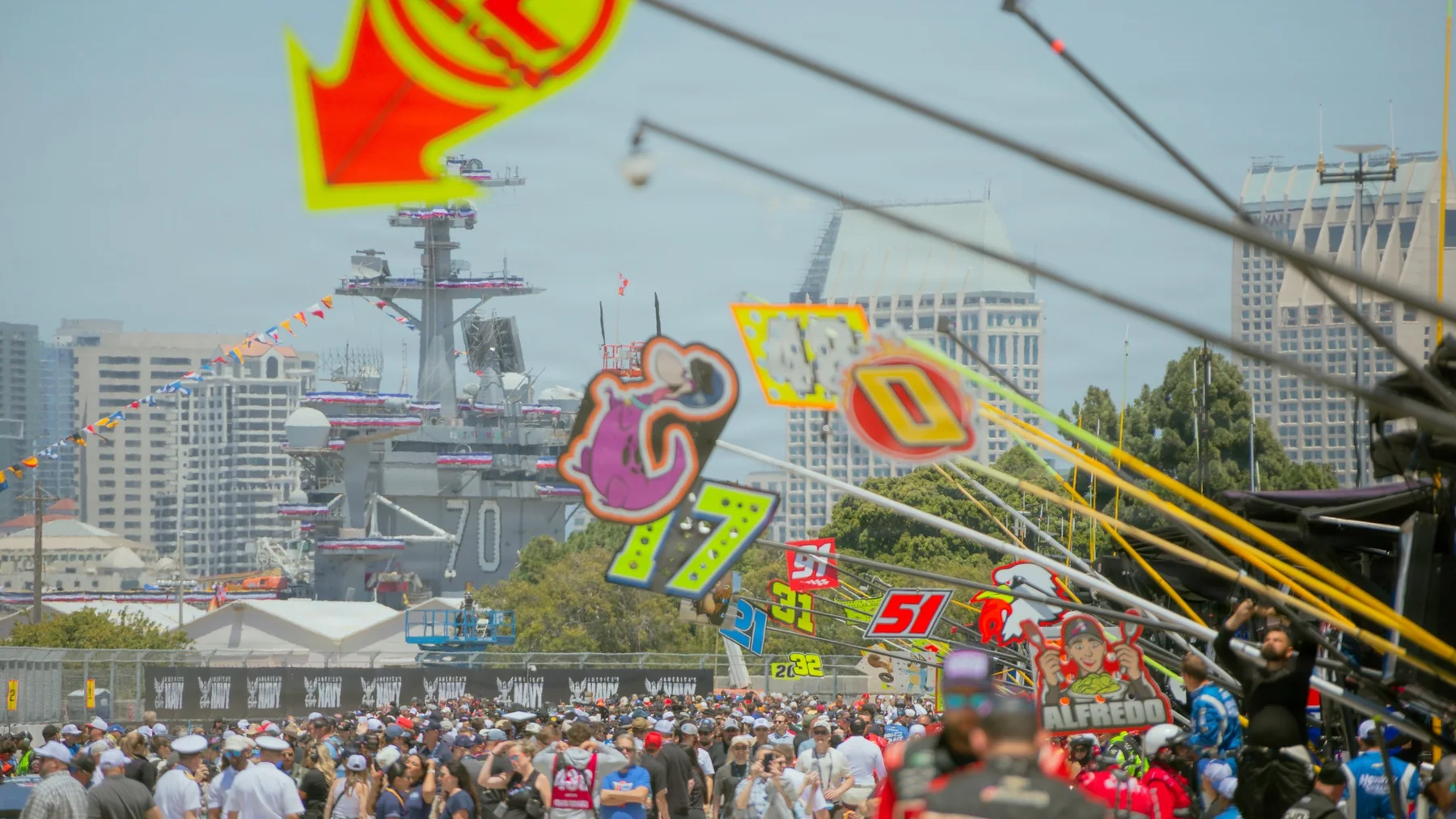
Base Pass versus Base Pass Plus
Base Pass was the budget-oriented way inside, but it was not a bleacher ticket. The official description promised standing-room trackside positions on the outside of the circuit, plus access to the NASCAR- and Navy-themed fan areas. Fans could bring a collapsible chair without its bag, subject to the event gate rules. That detail changed the practical value: a fan prepared to move, stand and use the video boards could make the product work differently from someone expecting an assigned view.
Plus addressed several predictable street-event pressure points. Elevation helped clear some foreground obstructions, a screen and audio filled in the rest of the lap, and shade and air-conditioned restrooms improved a long summer day. It still was not reserved seating. The upgrade bought a better base of operations, not ownership of a numbered chair.
Reserved grandstands and the Flight Deck Experience
Reserved admission was the clearest choice for a fan who valued certainty. The assigned elevated seat eliminated the need to defend a standing position and made it easier for a group to reunite after visiting concessions. The included Flight Deck Experience added the Fanzone and close views of the team garages, giving fans something useful to do when cars were practicing elsewhere on the long course or the track was cold.
“Included parking” also carried real value at an active military base, although the digital parking credential was delivered separately and created a resale complication discussed below. Every guest, including children, needed an admission ticket; the event offered no kids discount. Friday's Truck race was not a normal general-public product either: Navy Community Day access was limited to base Navy personnel and a limited number of Coronado residents, while ordinary public admission applied Saturday and Sunday.
Premium clubs and travel packages
The club ladder was primarily about comfort, host-ready hospitality and a strategically chosen corner. Hangar Club put guests in a real aircraft hangar near Turns 8 and 9. Admiral's Reserve emphasized Turn 16 and start/finish. The 1948 Club added the richest Sunday itinerary, including hot laps and VIP pre-race access. Those benefits explain why the premium prices should never be treated as “best seat” prices alone.
Official travel packages were a separate bundle: Saturday and Sunday race access, a choice of grandstand or club seating and a two- to four-night hotel stay. A search result saying “package” could therefore represent lodging plus tickets, a two-day admission product or hospitality. Fans had to open the inclusions rather than compare the headline total with a bare ticket.
Where did the ticket put you on the street course?
At Qualcomm Circuit, the ticket bought a view of one corner sequence—not the full lap. The temporary course stretched 3.4 miles through 16 turns at Naval Base Coronado. Concrete walls, catch fencing, buildings and distance naturally divided the action into zones, so the useful comparison was not simply “closer is better.” It was whether a fan wanted braking action, start/finish ceremonies, elevation, a screen or a reliable place to sit.
A street-course ticket is a corner ticket
The advertised premium locations make the tradeoff clear. Hangar Club looked toward Turns 8 and 9 at the Coronado Chicane, where a fan could study braking, direction change and a driver's ability to get the car pointed for corner exit. Admiral's Reserve and the 1948 Club favored Turn 16 and start/finish, putting the green flag, checkered flag, pit-straight atmosphere and final-corner launches at the center of the experience.
Neither choice revealed everything. The Cup race was decided when Tyler Reddick missed Turn 2 on Lap 73, Corey Heim drew alongside through Turns 3 and 4, and their fight continued through Turn 5. A spectator at the chicane or start/finish would have followed much of that sequence on a video board or scanner before the leaders arrived in view. That is normal street-course consumption: watch your section live, use the screen for the rest, then read the field order when the cars return.
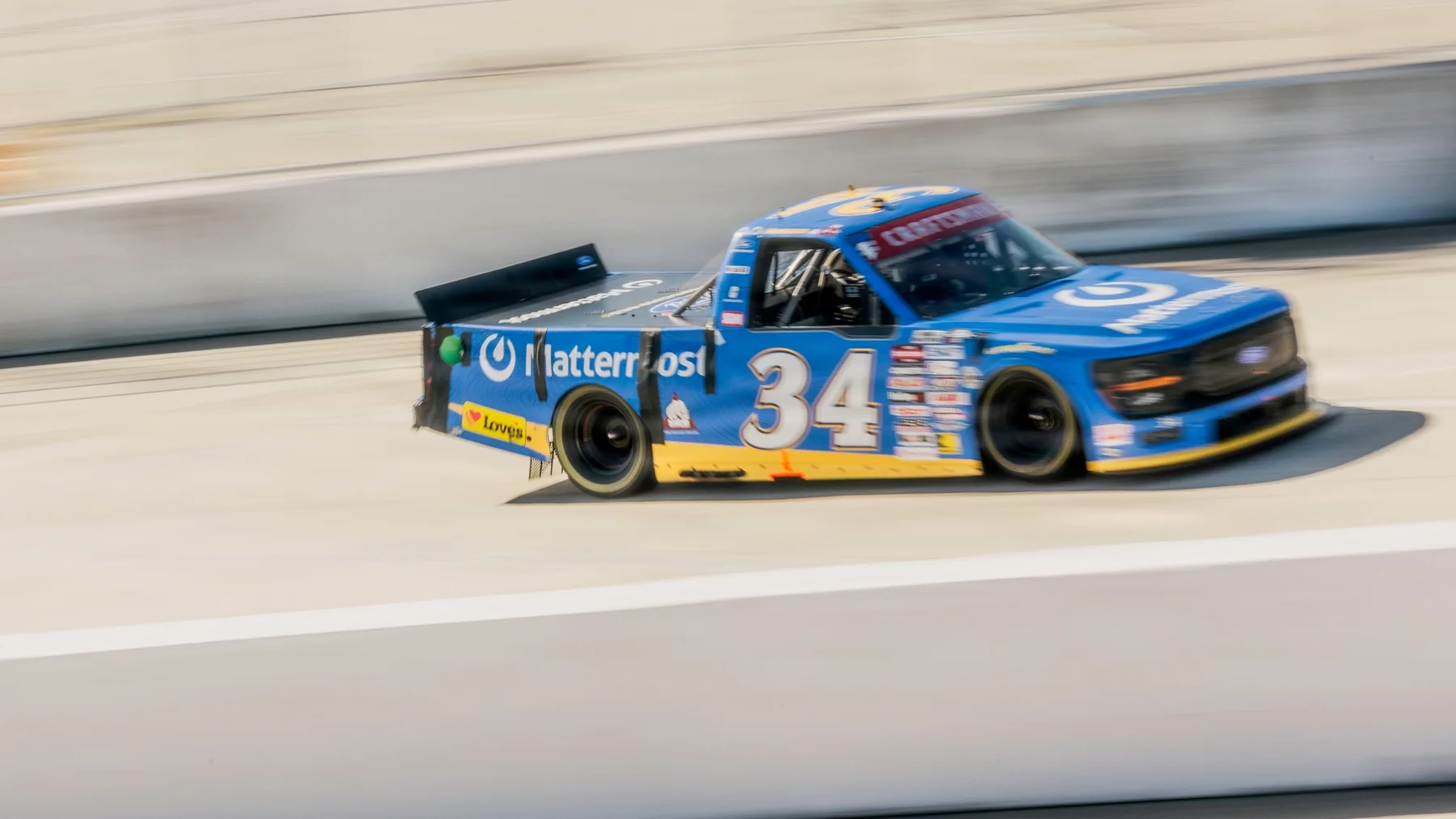
Elevation versus standing-room flexibility
An elevated reserved grandstand gave a repeatable sightline every lap and usually a better angle over the wall and heads in front. It also let a fan learn the rhythm of one technical area: where cars began braking, who attacked the curb, which driver protected track position and who lost rear grip on exit. For a group or a fan who did not want to stand all day, that certainty was a significant part of the price.
Base Pass traded certainty for movement. Its official description was standing-room viewing outside the circuit. A mobile fan could investigate different permitted areas, but a popular rail could fill early and safety infrastructure could narrow the usable window. Base Pass Plus tried to bridge that gap with an elevated deck, drink rails and a screen with audio. The screen was not a throwaway amenity: on a 16-turn course, it was the only continuous connection to a pit cycle, a caution elsewhere or a pass several minutes of walking away.
Post-race fan reports were mixed. Some attendees described fencing and restricted general-admission views that left them seeing only brief flashes of cars; others described good routes and satisfactory sightlines from their chosen areas. Those comments are individual experiences, not a seat survey, but the disagreement reinforces the main point: zone, elevation, crowd position and willingness to move materially changed what the same race felt like.
What “best view” meant for a NASCAR fan
For pure racing detail, a braking zone generally offered more to read than a flat-out straight: lockups, late moves, missed apexes and the accordion effect after a restart. Start/finish was stronger for driver introductions, pit-road context and the finish itself. An elevated screen-equipped position was the safer all-round choice for following strategy, because a street course can hide the leader while crews are committing to a green-flag pit cycle.
The completed 2026 San Diego Cup race is the best reality check: review where the decisive moments occurred, then compare those corners with the historical product locations. That produces a more honest view of ticket value than assuming the most expensive hospitality area automatically showed the most passing.
What changed when fans bought resale tickets?
A transferred race ticket did not necessarily bring the separate digital parking pass with it. That was the defining resale risk at NASCAR San Diego. Saturday and Sunday admission originally included a color-coded on-base parking credential, but the organizer warned that parking passes were distributed separately and might be missing from a secondary-market transfer.
The parking pass was a separate credential
The practical consequence was bigger than paying for parking somewhere else. All official event lots were inside Naval Base Coronado, and a vehicle without the proper pass could not enter a NASCAR San Diego lot. The official fallback was to carpool with someone holding a valid pass or use the designated rideshare route. There was no organizer lot in the City of Coronado that a buyer could simply purchase on arrival.
A careful buyer therefore needed the seller to confirm two completed transfers: the mobile admission ticket and the matching parking pass. The pass also carried a Yellow, Red or Green assignment tied to an entry route. Because general parking within those areas was first come, first served, receiving the credential late could still undermine an arrival plan even if the race ticket itself was valid.
What a 2026 resale buyer needed before leaving home
- The correct mobile ticket for Saturday's O'Reilly race, Sunday's Cup race or both days.
- A separately visible parking pass, unless the group had committed to rideshare, ferry/walk or carpool.
- The correct Ticketmaster account with the transfer accepted, not merely an email saying it was sent.
- The ticket and pass saved to a mobile wallet in case service slowed at the gate.
- An accepted government-issued photo ID for each U.S. citizen age 18 or older, or a passport for a foreign national.
Entry required more than a barcode
The official delivery guide told purchasers to use the NASCAR Tracks app or mobile account, accept transfers before race day and save tickets to Apple Wallet or Google Wallet. That advice mattered because a large crowd and weak cell service could slow an app login. A screenshot or an unaccepted transfer was a poor substitute for seeing the live credential in the recipient's own account.
The venue itself added another layer. Adults entering an active federal military base had to present accepted identification; foreign nationals needed a passport and were subject to additional screening. All ages needed an event ticket, the organizer offered no walk-up sales after the sellout, and guests could not re-enter once they left. A resale buyer who discovered a missing credential after reaching security had fewer recovery options than at a conventional speedway with public parking and a box office.
This is a historical lesson, not a forecast of future policy. If NASCAR announces another San Diego race, fans should reopen the new parking, transfer and identification rules from the organizer. The NASCAR calendar tool can verify whether a date appears on the site, but only the event's current terms can establish what a ticket includes.
What did fans actually experience at Naval Base Coronado?
The 2026 ticket bought access to a remarkable racing venue, but it also committed the holder to an unusually logistics-heavy day. Fans crossed onto an active military installation, passed enhanced screening, walked between widely separated zones and managed a sold-out temporary facility. The race delivered a genuine piece of Cup history; the supporting experience drew both praise and pointed complaints.
Walking, security and traffic were part of the ticket
The organizer opened parking at 7 a.m. and spectator gates at 9 a.m., well ahead of the first public on-track priorities. That lead time was not empty padding. Vehicles needed the correct digital pass, adults needed acceptable identification, and people and bags went through security. Local coverage reported packed ferries and significant crowds on Saturday, while pre-event reporting said organizers expected as many as 50,000 visitors per day. That figure was an expectation, not an audited final attendance total.
Once inside, the footprint remained large. The official fan guide estimated a 15–20 minute walk—about one mile—from the rideshare area to the venue entrance. Moving between the Green and Red zones could take another 15–20 minutes depending on pedestrian traffic. A fan who scheduled lunch on the opposite side of the circuit could miss more than a handful of laps, especially during a short green-flag run. With no re-entry, leaving an approved bag, sunscreen or radio in the car was not a quick fix.
The real race-day cost was time as well as money
- Arriving at the base was not the same as reaching a seat or viewing rail.
- A one-mile walk could separate transportation from the first admission gate.
- Another long movement could separate grandstands, fan experiences and concessions.
- A food, merchandise or restroom queue competed directly with visible track time.
Fan reports were mixed, not a single verdict
Post-race discussions contain repeated individual reports of long food, drink-refill and merchandise lines. Some attendees said they saw only brief pieces of the race from their positions or spent too much time moving through the site. Others praised the setting, the concept and parts of the fan experience, and one Sunday report noted that concession lines eased after the race began. None of those comments is a measured venue-wide average, but together they show where the first-year event placed pressure on a fan's day.
The useful takeaway is not that every attendee had a bad—or great—experience. It is that admission tier and preparation magnified one another. A shaded elevated deck with a screen protected a fan from some queue and sightline risk. A reserved seat made it easier to leave and return within the grounds. A Base Pass holder who brought an allowed chair, water container and scanner was better equipped than someone who expected conventional oval-style general admission and planned to buy everything after the green flag.
The Sunday race made the ticket historically meaningful
On track, the Anduril 250 supplied a finish worth remembering. Tyler Reddick appeared positioned to win until he slipped in Turn 2 on Lap 73. Corey Heim closed the gap, ran alongside his 23XI Racing teammate through Turns 3 and 4, survived contact as the fight continued toward Turn 5 and led the final three laps. Heim's first Cup victory came in only his 13th start, and NASCAR's clean post-race inspection made the result official.
That sequence is why a ticket cannot be judged only by the number of corners visible from one seat. A fan who followed the screen, scanner or crowd reaction could understand the developing fight and then watch the leaders arrive in the local viewing zone. The location also gave the event an identity no television shot could fully reproduce: Cup cars racing between military facilities at the first NASCAR weekend on an active U.S. military base.
Fans can review the finishing order through NASCAR results. Those deciding between a future trip and watching from home can use the NASCAR TV schedule once an event is officially listed. For 2026, however, the fair assessment is balanced: unique venue and consequential racing, paired with first-year crowd, walking and service friction reported by some attendees.
What should fans verify before any future San Diego sale?
Wait for an official NASCAR or NASCAR San Diego announcement before treating another race as real. As of August 8, 2026, organizers have expressed interest in returning and the event site collects names for future opportunities, but no official source located in this research provides a 2027 San Diego date, series lineup, course map or public ticket onsale.
Interest is real; a scheduled race is not yet confirmed
NASCAR leadership called a second year possible, and post-event reporting said organizers hoped to return in 2027. Those are meaningful signs that talks existed. They are not the same as the sanctioning body placing San Diego on its schedule. Rumored dates circulating through podcasts, emails and fan discussions should remain rumors until a first-party announcement names the year and weekend.
The distinction is easy to test. NASCAR had already issued an official item about Watkins Glen's 2027 move even before providing its exact September date. No equivalent official 2027 San Diego announcement was found as of August 8, 2026. A marketing sign-up saying it will share future announcements means subscribers may hear first; it does not turn a speculative resale page, hotel block or hospitality inquiry into an event credential.
Use this checklist before paying
- Confirm the date and series. Match the listing to an official Cup, O'Reilly or Truck schedule, not a search snippet.
- Open the new product map. Determine whether admission is a reserved seat, standing-room pass, elevated GA deck or hospitality club.
- Confirm the event-day scope. A one-day Cup ticket, support-race day and weekend package are different products.
- Read the parking transfer terms. Ask whether a parking credential is included and whether it transfers separately.
- Check entry requirements. Verify current ID, passport, bag, age-ticket and re-entry rules rather than reusing 2026 policy.
- Inspect the actual viewing zone. Look for elevation, screens, nearby corners, accessibility and realistic walking distances.
- Compare the all-in total. Separate ticket price, fees, lodging, transport, food and any club benefits.
- Read postponement and refund language. Do not assume a deposit, travel package and resale ticket have the same remedy.
The 2026 experience supplies the questions, not the future answers. NASCAR could shorten or alter the circuit, move grandstands, change screen placement, revise security procedures or offer different admission tiers. Even if the venue remains Naval Base Coronado, a new year can bring different federal-base access and transportation plans. A buyer should regard every old map and FAQ as historical until the new organizer explicitly republishes it.
Where to check after an announcement
Start with the complete NASCAR schedule for the series/date, then use the NASCAR calendar for planning. The NASCAR TV schedule becomes useful once a start time and network are assigned. Those tools should confirm the sporting event; the current organizer page should then confirm admission, parking and entry details.
Until both pieces exist, the accurate status is simple: the 2026 San Diego weekend is a completed, sold-out historical event, and another edition remains unconfirmed. That wording may be less exciting than a rumored date, but it is the only safe basis for spending ticket and travel money.
About the author
NASCAR Schedule Editorial Team
The NASCAR Schedule editorial team turns verified schedules, timing and scoring, official announcements and race-weekend context into direct answers for fans.
View all articles by this author →Join the discussion
Comments
Sign in with Google to comment. Keep it race-focused; new comments are reviewed before publication.
Loading comments…