NASCAR Spectator Rules: Bags, Coolers, What to Bring and Track Differences
A practical race-day packing guide explaining track-specific bag, cooler, food and seating rules, plus tickets, family equipment and entry preparation.
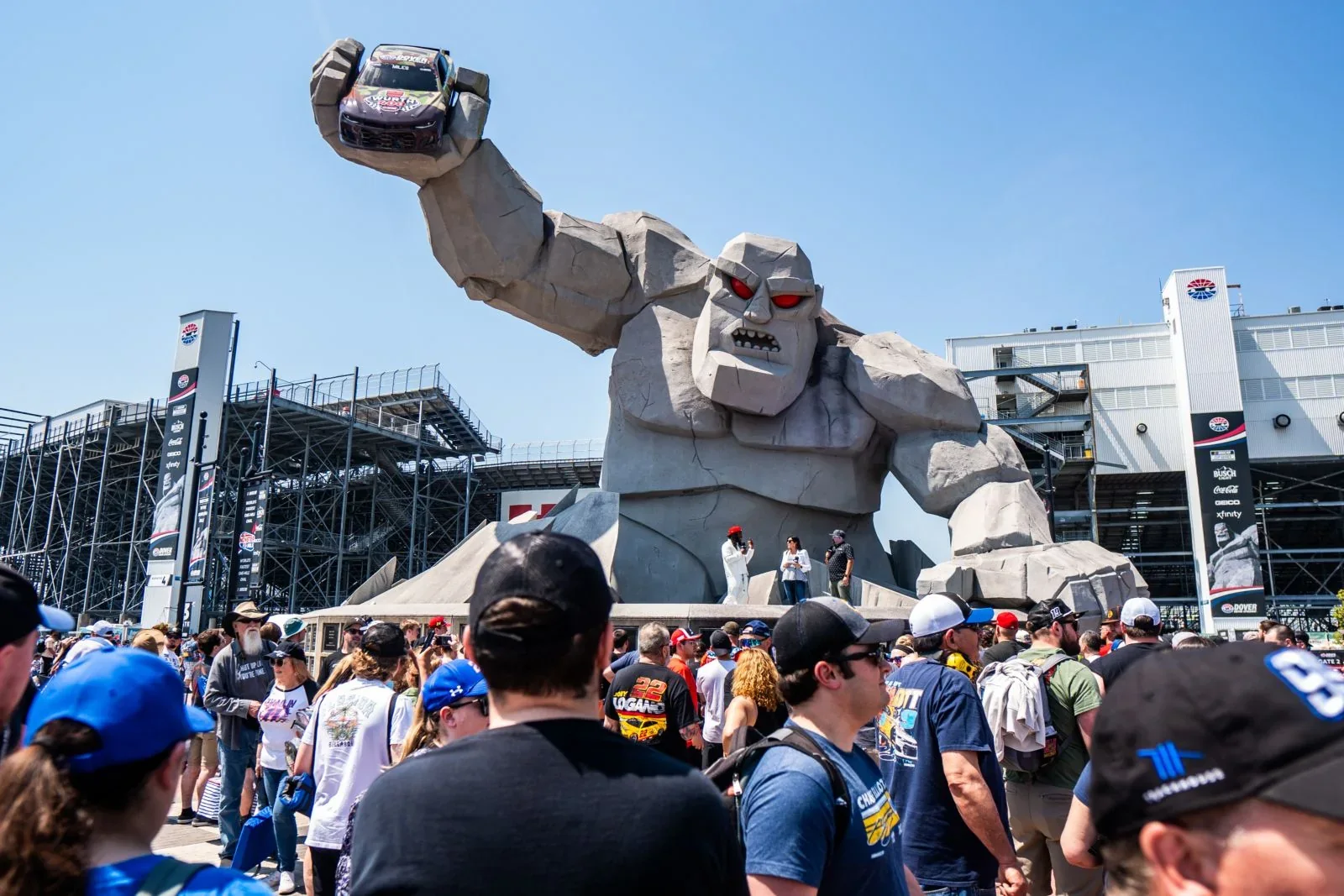
NASCAR spectator rules depend on the track, event and area on your ticket. A 14-inch soft cooler is allowed at several ovals, but Las Vegas Motor Speedway and NASCAR at Circuit of the Americas prohibit coolers; food, bottle and seating-equipment limits also differ. Check the official event guide before packing rather than treating another track's list as a national rule. The examples below reflect policies available on October 13, 2026, with links to the venue instructions. Use them to compare your bag and supplies, then prepare tickets and any family or access arrangements before race day.
Find the spectator policy for your race and ticket area
Start with the official guide for the race you are attending and the admission area on your ticket. NASCAR spectator rules can differ between venues and between areas of the same property. A packing list for an ordinary grandstand seat may not work for a suite, hospitality area or general admission lawn.
For example, Daytona's fan guide permits a qualifying soft cooler through ordinary admission gates but prohibits outside food, drinks and coolers in hospitality areas. The ticket upgrade changes what you can carry, even though the race and venue stay the same. Camping and tailgating instructions likewise do not establish permission to bring those items into the stands.
Identify the precise event before following a venue-wide search result. A speedway can host NASCAR, drag racing, concerts and other programs with different entry arrangements. Use the NASCAR schedule to identify your race, and the tracks guide for venue context, then open the event organizer's admission information.
If two official pages disagree, ask the track which rule applies to your event and seating area before packing the disputed item. NASCAR at COTA's specific fan FAQ says coolers are prohibited; that is the instruction to use when planning a NASCAR visit, even if another generic policy page appears less restrictive.
Save the relevant guide with your ticket details and revisit it before departure. Check the event year, bag dimensions, permitted quantities and area exceptions. Ask a specific question such as whether your named cooler or chair can enter your ticketed area, rather than simply asking whether the venue allows bags. That gives your group a usable answer before anyone reaches the gate.
Compare NASCAR bag and cooler rules by track
Compare dimensions, material and quantity as separate requirements. A bag that fits one limit can still fail another, and an approved backpack does not establish that an insulated cooler is allowed. The examples below reflect official pages available on October 13, 2026; check your event and ticket area before using them for a future visit.
| Venue and official policy | Bag example | Cooler instruction |
|---|---|---|
| Daytona International Speedway | Maximum two bags, up to 18 × 18 × 14 inches | One soft-sided cooler up to 14 × 14 × 14 inches within that allowance; hospitality exclusions |
| Charlotte Motor Speedway | Bag or backpack up to 18 × 18 × 14 inches | Soft-sided up to 14 × 14 × 14 inches; prohibited in VIP suites and levels 300, 500 and 600 |
| Bristol Motor Speedway | Bags larger than 18 × 18 × 14 inches prohibited | No larger than 14 × 14 × 14 inches; no hard or foam sides |
| Las Vegas Motor Speedway | Maximum two bags, up to 18 × 18 × 14 inches; clear recommended | Coolers prohibited |
| NASCAR at COTA | Maximum two bags; backpacks up to 18 × 18 × 14 inches, clutches/fanny packs up to 4.5 × 6.5 inches | Coolers of any kind prohibited |
Clear bags, backpacks and bag counts
Clear bags are not a universal NASCAR requirement. Las Vegas explicitly recommends them while permitting qualifying non-clear backpacks and totes. A transparent bag can make its contents easier to inspect, but it still has to meet the venue's size and quantity limits. Do not treat the material as permission for a larger bag.
Count what each person will carry. A backpack, diaper bag and cooler can exceed an allowance even when each item looks small. Where the cooler counts within the bag limit, plan the combination accordingly. Pack shared supplies into the permitted number of bags before leaving the vehicle, and allow space for any purchases you plan to bring back to your seat.
Cooler sizes and venues that prohibit them
Measure the actual packed cooler against all three dimensions rather than relying on a can-count or capacity label. Check the construction as well: a small hard cooler is not interchangeable with an approved soft-sided one. Ask about a rigid liner or unusual design before buying equipment specifically for the race.
At Las Vegas and COTA, leave the cooler out of your entry plan. Moving it into another bag does not resolve a cooler prohibition. Compare the food and beverage allowances below instead. For Charlotte, match the rule to your level and product; the Charlotte ticket and fan guide can help with the wider seating decision.
Check outside food, drinks and bottle limits
Food permission and cooler permission are different rules. A venue that bans coolers may still permit a specific food item or drink, while a hospitality product may exclude outside refreshments altogether. Check packaging, quantity and container material before deciding how much of the day's food budget you can pack.
The Las Vegas fan FAQ permits one food item per guest, such as a sandwich, crackers, chips or fruit; family-sized food bags are not permitted. It also allows one non-alcoholic drink up to 64 ounces in a plastic sports bottle, plastic cup or metal tumbler, with no glass or ceramic. Plan each person's allowance rather than bringing a large shared grocery bag.
At NASCAR at COTA, the food exception is pre-packaged, sealed food in a bag, with one unopened plastic bottle of a non-alcoholic beverage up to 20 ounces. That is a substantially different shopping list from filling an approved cooler at another track. Keep packaging intact where the rule requires it, and do not substitute a larger bottle because it fits your backpack.
Separate empty-cup permission from permission to carry a filled drink. Likewise, a venue's concession availability does not prove that free refill stations will be available beside your section. Locate the event's food information before arrival and allow for purchases if your permitted supplies will not cover the visit. Choose refreshments your group will actually use rather than carrying a heavy collection simply because another venue once allowed it.
Outside alcohol is a separate rule
Do not assume every NASCAR venue either permits or bans outside alcohol. Daytona's ordinary admission policy and Richmond's policy include alcoholic beverages among permitted packaged refreshments, with no glass. Las Vegas and NASCAR at COTA prohibit outside alcohol through the gates. Area exceptions and event instructions still apply.
A parking-lot or campground allowance does not extend through an admission gate. Review the exact rule for the area you will enter, keep the container restriction separate from the contents restriction, and leave unsuitable supplies with your tailgate equipment. This avoids turning a food plan into a return trip to the vehicle.
Pack useful gear for a long day in the stands
Prioritize gear that improves the visit without creating a bulky load. Daytona's Fanzone packing advice recommends hearing protection, sunscreen, comfortable shoes and phone preparation, along with a poncho because umbrellas are prohibited. Check permission at your own event, then choose a manageable set of supplies for the time you expect to spend outside.
Keep hearing protection accessible before the cars start running. Let children try their equipment before the trip so they know how it feels. Bring suitable layers for changing conditions and keep any permitted rainwear where you can reach it without unloading the entire bag. A spare layer buried under food and souvenirs is less useful when you want it quickly.
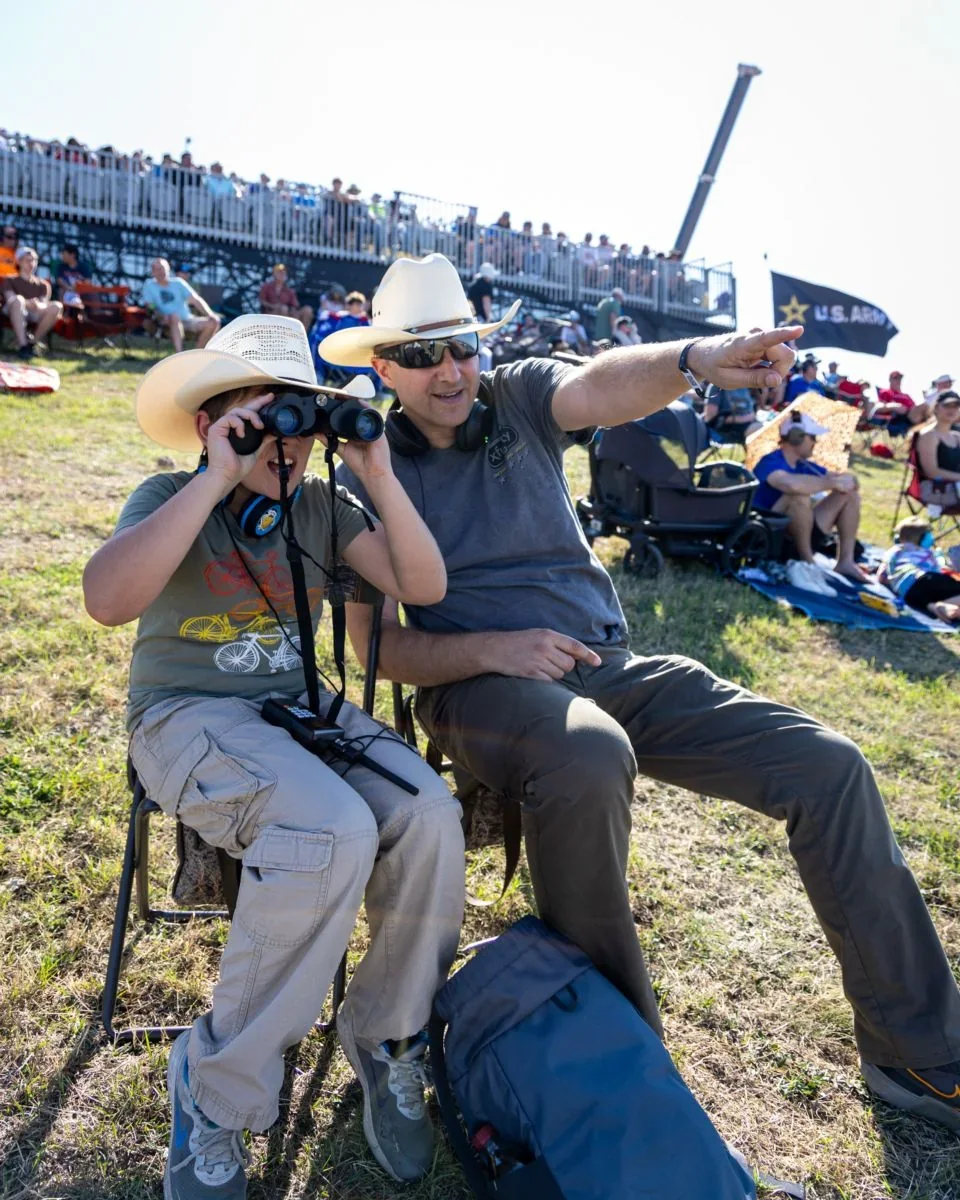
A scanner can help you follow team radio and race developments, but choose how your group will listen. Bristol's policy prohibits radios without headsets. Charlotte's scanner guidance requires advance online rental purchase and says walk-up rentals are unavailable. If renting, reserve the actual equipment you need rather than making it an assumption in your arrival plan.
Charge your phone and any permitted listening equipment, and test the combination before race day. Decide whether one person carries shared chargers and supplies. Our NASCAR app guide explains race-following options; your venue's ticket app serves a separate admission purpose.
Consider the people beside and behind you when packing cameras, signs or cushions. Equipment permission is not permission to block another fan's view or fill the aisle. Review restrictions on selfie sticks, tripods, drones and seat accessories instead of treating a permitted camera as approval for every attachment. Carry what you can comfortably manage while finding your row and returning to the concourse.
Check chairs, strollers and access needs before packing
Plan seating equipment around the area you will use. A folding chair that is useful on a general admission lawn can be prohibited in a grandstand, and a stroller permitted through a gate may still have to stay outside the seating rows. Resolve those distinctions before loading the car, particularly for a family's first race.
General admission and reserved seats need different gear
The NASCAR at COTA chair FAQ permits collapsible chairs for general admission areas, but excludes them from physical seating locations. It asks fans to remove chairs from their sleeves for entry. Use that area-specific instruction rather than assuming a lawn chair can accompany a reserved grandstand ticket.
Bristol prohibits collapsible chairs and stadium seats wider than 17 inches or with armrests. Compare the actual accessory with your venue's rule before bringing it. Check umbrellas separately: contradictory or area-dependent wording is a reason to contact the organizer, rather than assuming an umbrella will be admitted with a permitted chair.
Daytona's fan guide admits strollers but keeps them out of seating areas, with storage at Guest Services booths. Check the arrangement for your own venue, including how your family will continue from the storage point to the seats. Do not extend one track's stroller policy to every NASCAR race or replace a stroller with a wagon without checking that item's rule.
Ask about necessary equipment and accessible entry
If you need mobility equipment, particular supplies or an arrangement for necessary food, contact the venue before departure. Explain the item and your admission area, and ask how to handle inspection and access. An ordinary bag-size table does not answer every equipment question, and an assumption about an exception is not a confirmed entry plan.
The Las Vegas accessibility information directs fans to its ticket office for seating, tram and parking assistance. Confirm the arrangements that matter to your visit, including companions and the route to your purchased seats. If something changes on arrival, ask venue staff for assistance and identify your location so they can direct you appropriately.
Prepare tickets, security screening and re-entry
Open your actual admission tickets before arriving at the track. A purchase confirmation helps you identify an order, but it is not the same thing as the ticket the gate will scan. Check the event date and every guest's admission, then follow the provider's instructions for saving or presenting them.
Dover's mobile-ticket guide describes linking the ticket account, selecting the event, saving supported tickets to Apple Wallet or Google Pay and transferring tickets to friends or family. Use your own venue's instructions, since the app or account process may differ. If your group arrives separately, have each recipient confirm access after any required transfer.
Keep the parking pass and experience credentials separate from the seating order in your plan. Decide which person needs each item at the relevant entrance. Allow time to follow the event's gate map, open bags for inspection and reach your row; do not base arrival on an assumed security wait.
Check re-entry before walking out. NASCAR at COTA's FAQ calls for mobile tickets and a hand stamp when leaving, while the Las Vegas FAQ requires the ticket on same-day re-entry. Follow the procedure for your event and ask gate staff about any additional credential needed for the area you intend to revisit. A scan at first arrival does not answer every later access question.
If an item is refused at the gate
Ask which part of the event policy applies and follow staff instructions. Daytona's guide says there is no holding service for restricted items and that unattended items at gates can be discarded. Bristol's policy directs fans to return prohibited items to their vehicle or discard them. Do not count on leaving a bag beside the entrance and collecting it after the race.
A final check while you are still at the vehicle is easier than making that decision in a queue. Compare the packed items with your saved policy and remove anything you do not need. If an item is necessary for your access arrangements, raise that specific issue with staff instead of assuming a general packing checklist settles it.
Use a final race-day packing checklist
Make one final comparison between the packed bag and your event's official instructions before leaving home, then repeat the check at the vehicle. Use the checklist below to organize the decisions; the track's current policy supplies the actual permission and limits.
| Check | Race-day action |
|---|---|
| Tickets and phone | Open the correct event tickets, confirm each guest's admission and charge the phone. |
| Bags and cooler | Measure dimensions, count each person's items and confirm whether a cooler is permitted in your area. |
| Food and beverages | Check quantity, sealed packaging, bottle material and any outside-alcohol restriction. |
| Comfort gear | Choose hearing protection, suitable layers and other permitted supplies you can carry comfortably. |
| Chairs and family equipment | Confirm seating-area restrictions and any storage or access arrangement. |
| Gate and return plan | Find the correct entrance, keep parking credentials ready and check re-entry before exiting. |
Assign shared supplies instead of having everyone pack the same extras. Keep each person's permitted food and drink allowance clear where quantities are restricted. If some members enter later, make sure their tickets and essential items are with them rather than in the bag of someone already inside.
Choose a meeting point your group can identify and decide which activities matter most before taking seats. Check the NASCAR schedule this weekend for the racing program, then follow the organizer's event updates for arrival and entry changes. A race start, a gate-opening time and a pre-race activity are different deadlines in your plan.
Leave unnecessary tailgate equipment with the vehicle and bring the compact set that suits your actual ticket area. The aim is to arrive with permitted items, working tickets and a clear route to your seats. Once those details are settled, you can spend more of the day following the race rather than rearranging bags or retracing your steps.
About the author
NASCAR Schedule Editorial Team
The NASCAR Schedule editorial team turns verified schedules, timing and scoring, official announcements and race-weekend context into direct answers for fans.
View all articles by this author →Join the discussion
Comments
Sign in with Google to comment. Keep it race-focused; new comments are reviewed before publication.
Loading comments…