Will Bristol’s “Chaos Tire” Return for the 2026 Night Race?
The September 19 Bristol Night Race could feature meaningful tire management, but no responsible forecast can promise another tire-shredding spectacle.
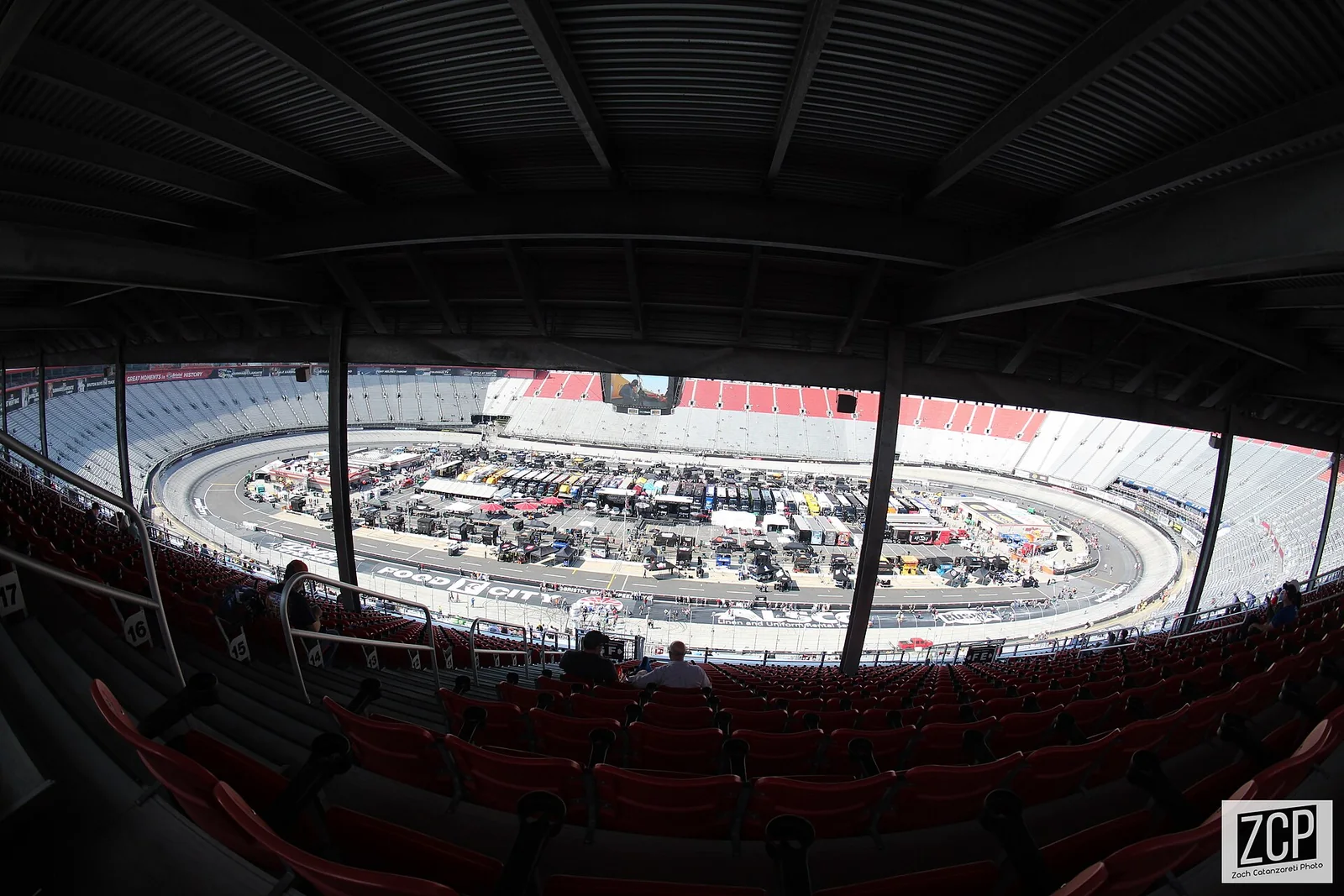
Will the 2026 Bristol Night Race be another tire-wear lottery?
It could become a tire-management race, but there is not enough confirmed evidence on September 8 to promise another “chaos tire” night. The Bass Pro Shops Night Race is still eleven days away, and the event-specific Goodyear bulletin—the document that identifies the tire codes, recommended pressures and set allocation—was not yet available on the public race hub when this article was researched. Track preparation, rubber from the support races and race-night temperature will matter as much as the label fans attach to the compound.
What is confirmed is the setting. The NASCAR Cup Series will run 500 laps at Bristol Motor Speedway on Saturday, September 19, with stage breaks scheduled at laps 125 and 250. That is long enough for tire life to change strategy several times, yet short enough that an early caution can hide the true green-flag wear rate. Fans looking for the weekend’s live documents should use the NASCAR schedule this weekend rather than assume a forecast is an official update.
That uncertainty is not a dodge. Bristol has recently produced radically different races with closely related ingredients. A tire that creates gradual lap-time falloff can reward a driver who saves the right-front and still attacks late in a run. A tire that sheds unexpectedly can make teams pit simply to survive. A tire that barely loses speed can turn track position into the dominant currency. Calling all three outcomes “tire strategy” misses the point—and it is exactly why this race deserves a more careful watch.
Why the recent Bristol tire races looked completely different
Bristol’s tire debate is confusing because fans are not comparing one stable package. They are comparing several combinations of compound, surface preparation, temperature and accumulated rubber. The result has ranged from emergency tire conservation to a track-position-heavy race and then to a more balanced event. That history is more useful than treating “soft” and “hard” as magic words.
Spring 2024 created the “chaos tire” benchmark
The March 2024 Food City 500 became the modern reference point because wear arrived far earlier than teams and Goodyear expected. Goodyear racing director Greg Stucker said the same published tire code had run at Bristol the previous September, yet the behavior was dramatically different: the earlier fall tire had lasted roughly 130 laps, while the spring race forced attention at about 50 laps. Drivers could not simply run qualifying pace until a planned stop. They had to protect the tire, search for grip and judge when lost lap time became less costly than pit road.
The spectacle worked because pace and risk moved in opposite directions. A driver could gain time immediately by leaning harder on the right side, but that choice shortened the useful life of the set. Teams that normally solve a race through aerodynamic balance suddenly had to manage physical inventory. NASCAR and Goodyear nevertheless stopped short of calling the most extreme wear ideal. The strategic tension was attractive; the surprise and threat of abrupt failure were not a repeatable target.
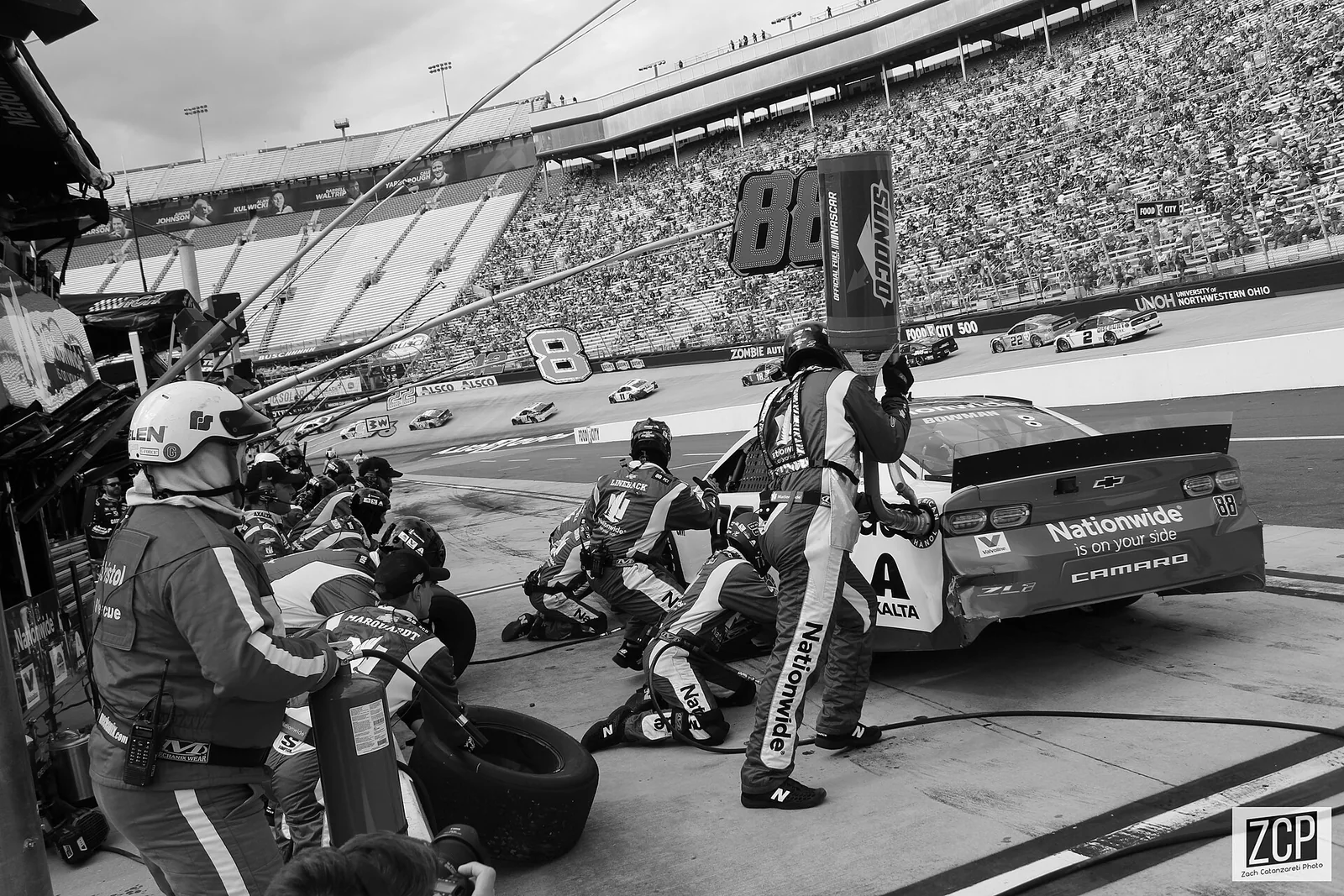
Fall 2025 showed that engineered wear can produce passing
The 2025 Night Race moved the conversation from accident to design. NASCAR had asked Goodyear for more falloff, and the softer right-side tire produced a race with much greater movement through the field. Motorsport reported NASCAR’s count of 3,873 green-flag passes and 30 lead changes, both meaningful evidence that the race was not merely shuffled by cautions. Drivers could attack cars whose tires had aged at different rates, and crew chiefs had more than one viable moment to stop.
Yet the same event also demonstrated the boundary. Heavy rubber debris collected around the cars, and several right-front fire incidents became part of the post-race review. NASCAR Cup managing director Brad Moran described the direction as right while acknowledging that slightly less wear could have been preferable. That distinction matters: officials were not asking for tires to fail; they wanted enough degradation to make lap time, line choice and pit timing separate good decisions from bad ones.
Spring 2026 offered a more controlled baseline
Goodyear introduced another compound for the April 2026 Food City 500, so that race deserves to be treated as fresh evidence rather than a replay. Practice rewarded long-run reading: Ryan Blaney led the 15-, 20-, 25- and 30-lap averages, the kind of pattern that tells teams more about a 500-lap race than one headline qualifying lap. Ty Gibbs ultimately won, while Blaney’s runner-up story involved both race pace and costly pit-road execution.
Fan reaction after that race was revealing. Many viewers liked seeing multiple grooves and competitive racing without a full tire emergency; others still wanted a larger difference between fresh and worn rubber. The official result belongs in the latest NASCAR results, but the strategic lesson is broader: Bristol can race well without reproducing the exact failure curve of 2024. The September target should be controllable falloff that remains relevant across a fuel run.
What actually makes a Bristol tire wear—or survive
A Bristol tire is part of a system, not an isolated product. The concrete surface, applied resin, rubber already on the track, temperature, car setup and driver input all change the energy passing through a small contact patch. That is why two events using the same nominal code can produce very different useful lives—and why blaming only Goodyear or only the track misses the engineering problem.
Concrete, rubber buildup and the prepared groove
Bristol’s concrete is abrasive when the tire is working directly against the base surface. As cars circulate, they normally lay down rubber in the preferred lane. That rubbered-in groove can add grip and reduce the grinding action, allowing a set to stabilize instead of continually shedding. In spring 2024, officials found that rubber was not building in the lower lane as expected. The surface kept taking material away, leaving teams with a much shorter runway than simulations and previous experience suggested.
Resin complicates the picture. Bristol uses it to encourage grip in a selected lane, especially early in the weekend, but the prepared strip evolves as each series runs. Trucks and O’Reilly Series cars can change what the Cup field inherits. If the lane darkens and widens, drivers may find enough grip to move off the bottom. If loose rubber gathers above the groove, venturing high can dirty the tires and cost several corners before grip returns.
Temperature changes the surface faster than the tire code
Temperature influences whether the tread keys into the concrete, how quickly pressure rises and whether rubber adheres to the racing lane. A cool surface can prevent the track from accepting rubber in the expected way; a warmer surface can become more compliant and build a protective layer. The 2026 Night Race starts after sunset, so the surface may transition during the 500 laps rather than sit at one steady number.
That creates a moving target for crew chiefs. A car balanced in late-afternoon practice might tighten as the track cools, or the preferred lane might migrate as support-race rubber changes. Forecast air temperature is therefore only a clue. Teams will compare measured track temperature, tire temperatures and wear readings after each run. Fans should be skeptical of any pre-race claim that one weather number guarantees either “chaos” or a processional race.
Pressure, camber and traffic decide who reaches the pit window
Setup controls how the load is distributed across the tread. Camber helps a car turn by leaning the tire into the corner, but aggressive geometry can concentrate heat and wear on one shoulder. Starting below Goodyear’s recommended minimum pressure can increase the contact patch before pressure builds, yet it also makes the casing work harder. Those choices may deliver early grip while consuming the margin a team needs late in a run.
Traffic adds another layer. A leader in clean air can choose entries and protect the right-front. A driver boxed behind another car may abuse the tire trying to rotate the center or use the upper lane to pass. Brake heat, wheelspin off the corner and repeated corrections all become part of tire life. NASCAR’s broader rules explainer helps with procedure, but the practical Bristol rule is simple: the fastest first ten laps do not necessarily belong to the fastest car over seventy-five.
What is confirmed for the September 2026 Night Race
The event framework is official even though the most important tire details are still pending. Keeping those two categories separate protects fans from stale race-week information.
Race format and broadcast details
| Item | Confirmed detail | Why it matters |
|---|---|---|
| Date and time | Saturday, September 19, 7:30 p.m. ET | A night start means the concrete can cool through the race. |
| Distance | 500 laps on the 0.533-mile oval | Long traffic exposure magnifies small differences in falloff. |
| Stages | Laps 125, 250 and 500 | Scheduled cautions put natural boundaries around early strategy. |
| Television | USA Network | Check the NASCAR TV schedule for updates. |
| Radio | PRN and SiriusXM NASCAR Radio | Radio is useful for tire and pit-road reports not always shown on screen. |
Friday practice and qualifying should provide the first current comparison, but even that session will occur under a different rubber and temperature state from Saturday night. The full NASCAR schedule remains the best navigation point for confirmed timing rather than an old social post or screenshot.
The tire bulletin remains the decisive document
Goodyear’s event notes normally identify left- and right-side codes, whether either code has raced at the track before, how many sets are available and the recommended minimum cold pressures. Those details were not live on the public 2026 race hub when checked on September 8. Until they appear, statements that the 2025 or spring 2026 tire will return should be treated as unconfirmed.
Even after the bulletin arrives, it will define the hardware rather than guarantee an outcome. Teams still need to see wear pins, temperature distribution and pickup after a real run. NASCAR can also react to unexpected conditions by adjusting track preparation or, in unusual circumstances, tire availability. The forecast should therefore update in layers: bulletin first, practice second, opening green-flag run last.
What NASCAR fans are really asking Goodyear to deliver
The loudest online arguments make Bristol sound like a choice between shredded tires and no passing. The more useful reading is that fans want a tire that changes the race without randomly deciding it. They want fresh tires to be worth something, worn tires to remain driveable, and the driver’s rate of use to matter over an entire stint.
Useful falloff is not the same as sudden failure
Useful falloff is progressive. Lap times begin to drift, the car loses security on corner entry or drive off, and a driver who saved early can close on someone who attacked. That produces information the audience can follow: one car is faster now, another is preserving life, and a crew chief must choose between clean air and new rubber. A sudden corded tire or failure offers far less agency. It may punish an aggressive setup, but it can also erase a sensible plan before the team sees a warning.
The fan discussion after recent Bristol races repeatedly lands in that middle ground. Some viewers celebrate the extreme races because tire conservation restored a skill they believe the Next Gen car often suppresses. Others object when the pit box becomes an emergency service lane. Neither position requires a “hard” tire. Both can be satisfied by a compound with a broad operating window and measurable, predictable degradation.
The ideal Bristol tire makes a driver decide how much speed to spend now—not wonder whether the tread will exist one lap later.
Multiple grooves matter more than a dramatic tire counter
Falloff alone cannot create a good Bristol race if every car must occupy the same strip of concrete. The leader can control the lane, and a faster trailing car may burn its tires without completing a pass. When the lower and upper grooves both offer different advantages, traffic becomes a tactical problem. A driver can protect the bottom, build momentum above, cross over at corner exit or force a rival to consume tire while defending.
That is why the 2026 spring race encouraged fans even without reproducing the most extreme tire event. Drivers reported earlier multi-groove action, and the race developed through pace plus pit execution. For Chase contenders, the balance is especially valuable: Bristol should pressure them to earn stage points and finish position, not merely survive equipment roulette. The current NASCAR standings will make every lost lap and pit-road mistake more consequential, but the racing product still needs drivers to have options.
Goodyear’s challenge is therefore not to manufacture a viral number of tire changes. It is to help create separation in speed, enough lane flexibility to use that separation, and a failure margin teams can manage responsibly. If those three conditions appear, the 2026 Night Race can be compelling even if nobody calls the tire “chaos” afterward.
The race-weekend clues that will answer the question
By Saturday afternoon, fans should be able to replace speculation with observable evidence. The best clues arrive in sequence: long-run practice data, the appearance of the racing surface, crew reports from removed tires and finally an uninterrupted race stint. No single clue is decisive, but together they reveal whether tire management will shape the Night Race.
Read practice over 20 laps, not one qualifying lap
A qualifying chart rewards immediate grip and an open track. Tire management appears in the slope of a run. Compare a driver’s fifth lap with laps 15, 20 and 25, then ask whether the car loses time smoothly or falls off a cliff. In April, Ryan Blaney’s strength across 15- through 30-lap averages was more informative than any isolated flyer because it showed the No. 12 could preserve pace as the set aged.
Also note how many teams complete representative runs. A red flag, rain or repeated spins can leave the averages with tiny sample sizes. Practice occurs Friday, while the Cup race starts Saturday night, so the exact falloff will change. Still, the comparison between cars can show who has a balanced platform and who is using the right-front to make lap time.
Watch rubber color, marbles and lap-time falloff
A darkening groove usually shows that rubber is adhering to the concrete. A broad black band can help the surface mature and may open a second lane. By contrast, large piles of loose “marbles” beyond the groove suggest tread is being shed but not necessarily incorporated into the racing surface. Cars that venture into that debris can lose grip until the tires clean themselves.
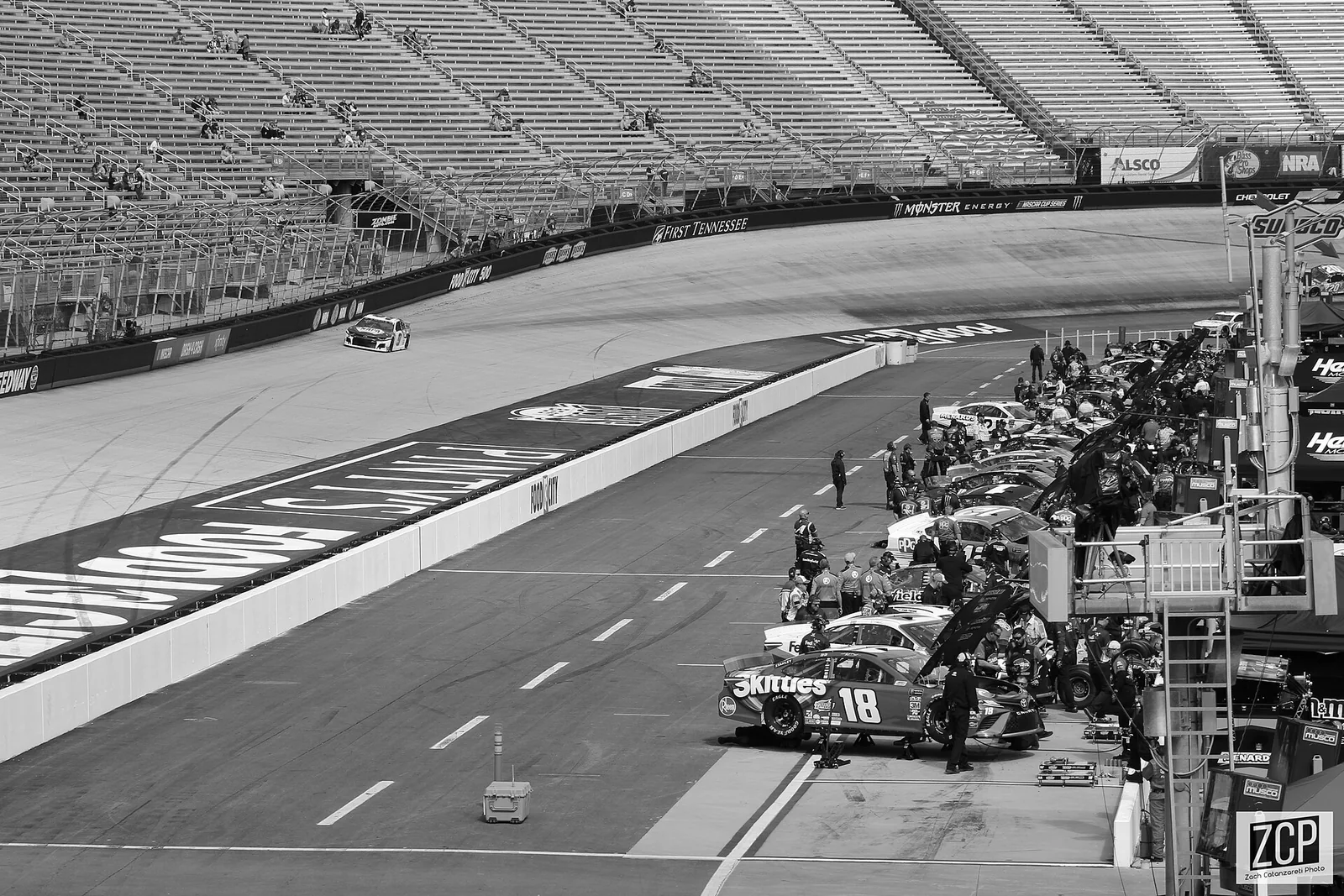
Broadcast lap-time comparisons can translate the picture. A gradual decline across a long run suggests strategic falloff. Sudden losses concentrated in one car may indicate setup or damage. Similar losses across the field at the same lap count point toward the tire-surface combination. The NASCAR TV schedule will carry the viewing details; scanner and radio reports can add the wear observations that television does not always quantify.
The first green-flag pit cycle will expose the real tire
Stage 1 is scheduled for 125 laps, but the first natural tire window may arrive much earlier. Watch whether leaders voluntarily pit under green, whether teams split the run, and how much time fresh tires gain. If a stop costs roughly two laps under green, a crew chief needs a substantial pace advantage—or confidence in a later caution—to surrender track position. If new tires are dramatically faster, the undercut becomes powerful despite the penalty.
Removed sets will provide the clearest physical evidence. Teams inspect the tread, compare shoulder temperatures and report whether cords are near. If NASCAR adds tires or issues an unusual competition directive, that would signal the observed wear exceeded planning. If leaders stretch toward the stage break without meaningful time loss, the race will probably emphasize position and restart execution instead. Either outcome answers the question more honestly than the pre-race nickname.
Bristol tire FAQ
When is the 2026 Bristol Night Race?
The NASCAR Cup Series Bass Pro Shops Night Race is scheduled for Saturday, September 19, 2026, at 7:30 p.m. ET on USA Network. The race is 500 laps, with stage ends at laps 125 and 250. Because schedules can change, confirm race-day timing through the weekend NASCAR schedule.
Why did the same Bristol tire behave differently in 2024?
Goodyear said the spring 2024 tire carried the same code used the previous fall, but the track did not take rubber in the same way. Surface preparation, temperature and the state of the groove changed the interaction between tire and concrete. The episode proved that a specification number does not operate independently of race conditions.
Does more tire wear automatically mean better racing?
No. Gradual falloff can create passing and reward conservation, but excessive wear can force emergency stops or cause failures before drivers can use strategy. A strong Bristol race also needs at least two workable lanes, enough speed difference to attempt passes and a reasonable warning before a tire reaches its limit.
Where can fans check official tire and race updates?
NASCAR’s event coverage and the Jayski race page collect entry lists, weekend schedules, Goodyear notes and later results. Team radio and official broadcast reports add real-time wear observations. After the checkered flag, use the site’s NASCAR results rather than relying on a pre-race article for the final classification.
The bottom line is measured optimism. Bristol’s recent history makes another strategic tire race plausible, but the compound label is only the opening condition. If practice shows steady falloff, the groove widens and teams can reach a predictable pit window, the 2026 Night Race may deliver exactly what fans want—without needing a true tire lottery.
About the author
NASCAR Schedule Editorial Team
The NASCAR Schedule editorial team turns verified schedules, timing and scoring, official announcements and race-weekend context into direct answers for fans.
View all articles by this author →Join the discussion
Comments
Sign in with Google to comment. Keep it race-focused; new comments are reviewed before publication.
Loading comments…