2027 NASCAR Chase Changes: Darlington’s Cutoff, Richmond’s Opener and Watkins Glen
Darlington closes the 2027 Cup regular season, Richmond opens the Chase, and Watkins Glen follows. Compare 2026 and 2027 and see which dates matter in each points race.
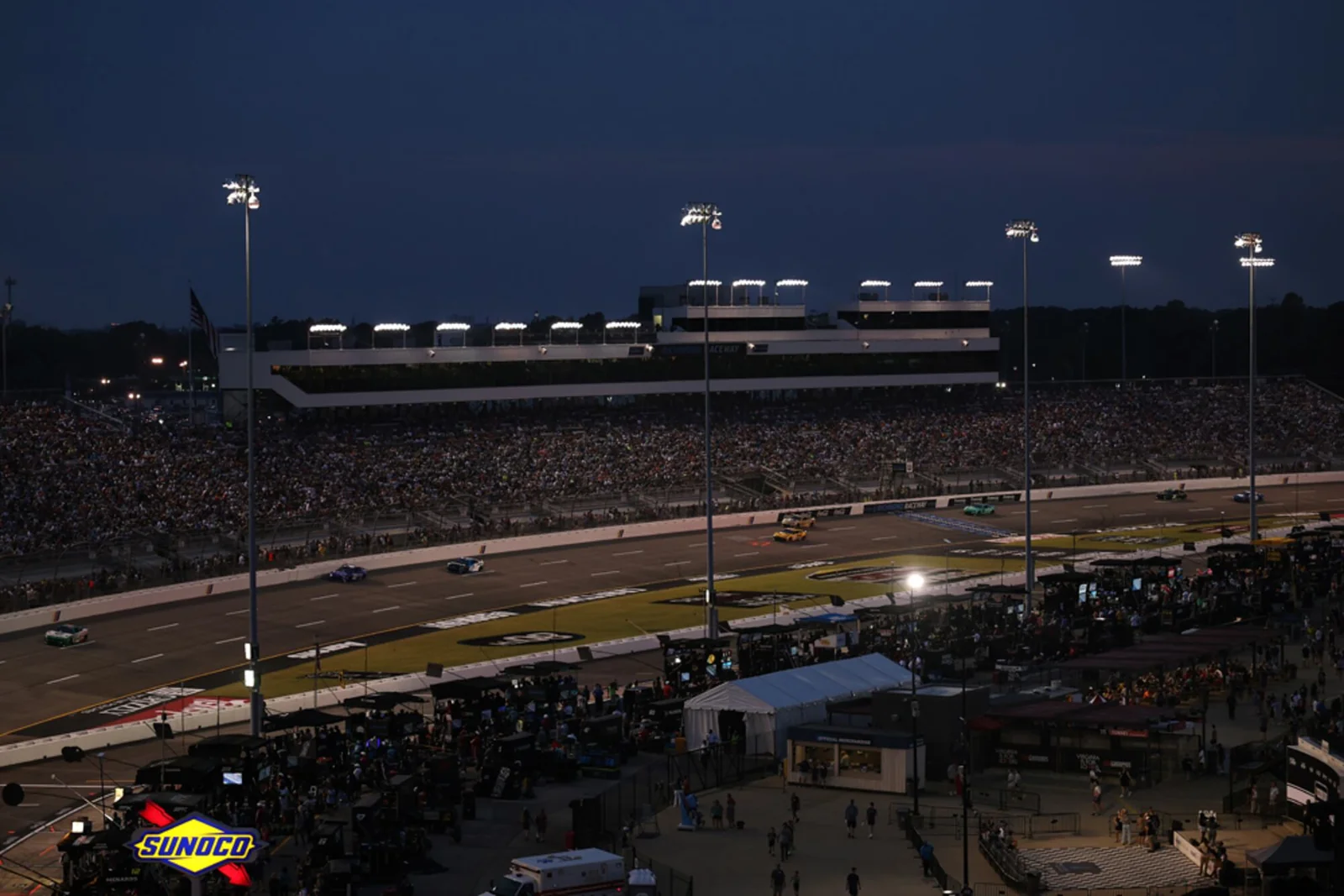
Darlington closes the 2027 NASCAR Cup Series regular season with the Southern 500 on Sept. 5. The Chase starts at Richmond Raceway on Sept. 11 and continues the following Sunday at Watkins Glen on Sept. 19. As of Nov. 20, 2026, NASCAR’s full calendar also puts the Bristol Night Race and Gateway back in the regular season. The sequence changes what you should look for on each weekend. Daytona can move a driver toward the cutoff, Darlington settles who advances, and Richmond starts the championship schedule. The comparison below shows what moved, what stayed in the postseason and where to check the points once racing begins.
When does the 2027 NASCAR Cup Series Chase start?
The 2027 NASCAR Cup Series Chase starts Saturday, Sept. 11 at Richmond Raceway. The Southern 500 at Darlington Raceway on Sunday, Sept. 5 is the last Cup race of the regular season. Watkins Glen International then hosts the second race of the Chase on Sunday, Sept. 19. These dates are in NASCAR’s August 26 national-series calendar and were reiterated in its November roundup.
That puts two different ending points on consecutive weekends. At Darlington, drivers complete the stretch of races that decides who makes the field. At Richmond, the drivers in that field start contesting the postseason schedule. The race on Labor Day weekend still sits at the center of the transition, but the Southern 500 now precedes the start of the Chase by six days. Richmond's Saturday date is the one to circle for opening night.
The Cup calendar from Bristol to Watkins Glen
The quickest way to see the switch is to follow the same races across the two schedules. The annual Cup race at Richmond used to come before the late-August rush to the cutoff. In 2027 the place remains familiar while the standings task changes. The Watkins Glen race moves even farther across the calendar, from a spring date in 2026 to the second weekend of the 2027 Chase.
| Cup race | 2026 date and role | 2027 date and role |
|---|---|---|
| Bristol Night Race | Sept. 19 · Chase race 3 | Aug. 14 · Regular season |
| Gateway | Sept. 13 · Chase race 2 | Aug. 22 · Regular season |
| Summer Daytona | Aug. 29 · Regular-season finale | Aug. 28 · Penultimate regular-season race |
| Southern 500 at Darlington | Sept. 6 · Chase race 1 | Sept. 5 · Regular-season finale |
| Richmond | Aug. 15 · Regular season | Sept. 11 · Chase race 1 |
| Watkins Glen | May 10 · Regular season | Sept. 19 · Chase race 2 |
A viewer used to hearing about playoff berths at Daytona can still follow that race for big shifts in points. In 2027 the calculation continues for one more event. A close driver’s position on Saturday night in Florida is the starting point for the cutoff conversation, and the regular-season field closes after Darlington. Those two races are different chances to make up ground. A team that leaves Daytona in an awkward position still has the Southern 500 to get its season back on course.
Use the 2027 NASCAR Cup schedule to put those weeks in context. The date changes apply to the Cup calendar. The other national series can share those venues but follow their own event order and season cutoffs.
Why Darlington is the last chance to make the Chase
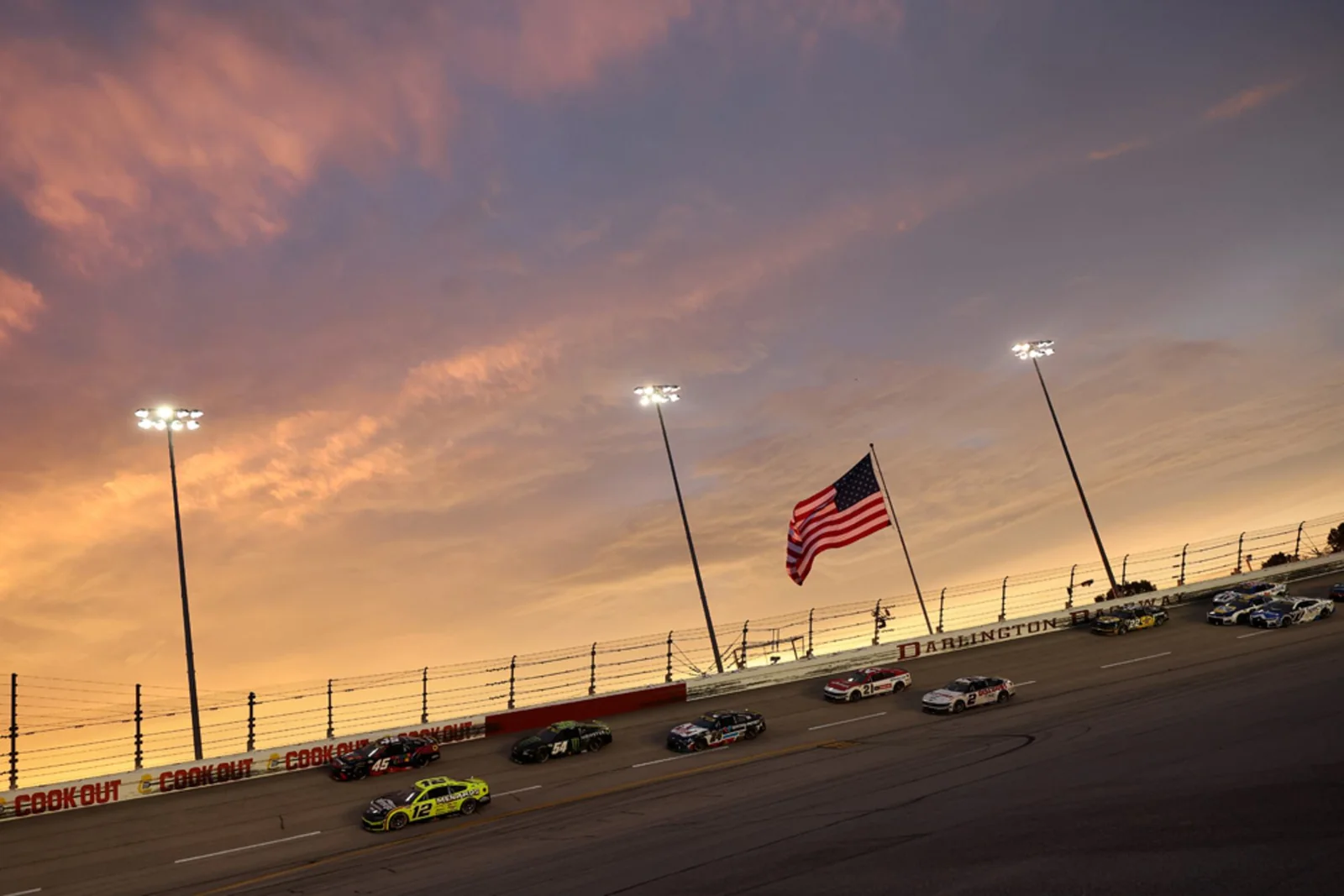
The Southern 500 gives a driver below the cut one more race after Daytona to make up the difference. NASCAR scheduled the Darlington race for the end of the 2027 regular season. A car that loses positions in the Florida draft can still score points in South Carolina. A team that leaves Daytona with a small advantage also has to defend it through a separate race on a track that rewards a different set of skills.
Darlington is a 1.366-mile oval with an abrasive surface. On a long run, tire wear can change which cars can hold their corner speed. A driver who moves up quickly on fresh tires might give back some of that speed as the stint goes on. A crew chief watching the points could decide to keep the car on track for a stage finish or bring it in for tires when a caution creates an opening. The choice depends on the gap to the cutoff, the number of laps before the stage ends and how many rivals would restart ahead.
Daytona's drafting packs create a different race for positions. A driver can gain spots with help from an organized lane and lose them when that line breaks up. The new sequence puts those swings a week before the last cutoff. At Darlington, watch for the gap between the driver holding the final spot and the first one outside it after each stage. That tells you which team can afford to run its own race and which one needs more points from the finish.
What the 2026 cut and reset tell us
Ryan Preece's Daytona result is a good illustration of the points arithmetic. In 2026 he arrived 31 points behind Shane van Gisbergen for the 16th and final spot. Preece won the race and scored 67 points. Van Gisbergen earned 19, including the benefit of a Stage 1 victory, and finished 28th. The difference on the night was 48 points. That moved Preece from 31 back to 17 ahead, which NASCAR confirmed was enough for the last Chase berth.
That finish determined who made the field. The seeding came afterward. Under the 2026 Chase format, the top 16 in regular-season points advanced and received new totals according to their seeds, with 2,100 for first and 2,075 for second. Preece's win mattered through the points it earned. That distinction is useful when reading a cutoff broadcast. A race winner can change the table by scoring heavily, while the standings determine who advances under the points-based model. NASCAR's 2027 calendar confirms where the cutoff happens. Use the season’s competition rules for any changes to the precise qualification and reset procedures.
What changes when Richmond and Watkins Glen open the Chase
Richmond and Watkins Glen put two distinct setup problems at the start of the championship. A team can open the Chase with a quick, durable short-track car and then have to find the same consistency off a road-course braking zone. A driver who gets only a modest finish in the first race can make up part of the difference a week later. The opening sequence is easier to understand by looking at where each circuit offers passing opportunities and how a pit call can change them.
Richmond starts the championship fight with a short-track race
Richmond Raceway is a three-quarter-mile asphalt oval. In a long green-flag run, the car needs to slow down repeatedly, turn through the middle and put power down without burning up its rear tires. Early on, a driver may be able to roll past another car with fresher rubber. When the field stretches, that advantage is useful only if the lap times keep coming. Look at how much ground each car gains over several laps after a stop and whether it can sustain the pace in traffic.
The August 2026 Richmond race showed how the late window can matter. Joey Logano took the lead for good as pit stops cycled with about 25 laps remaining. Chase Briscoe, who had led the most laps, finished second and reported a brake issue late. That result makes the new Chase opening location interesting even with no idea who will lead in September. A car can have enough speed to earn stage points, while a well-timed stop and the condition of the brakes determine how much it can turn that pace into at the finish.
Watkins Glen brings a road course into the second Chase weekend
Watkins Glen is a 2.45-mile road course. It raced in the Cup postseason in 2024 and moved to a May regular-season date for 2026. Its 2027 return puts road-course racing back into the Chase after the Charlotte fall Cup race switched from the Roval to the oval in 2026. Expect the usual road-course questions about who can brake consistently at the end of a straight, who can pass from a different line and who is timed to reach pit road when it helps most.
There is also a points decision at a stage break. A driver who pits before the stage ends may surrender a scoring position to restart ahead of cars that wait for service. The 2026 race gives a concrete example. Shane van Gisbergen gave up the lead to pit before the end of Stage 1, then stayed on track to win Stage 2. He made a later green-flag stop and drove through to win. Those different decisions fit the race at the time. For 2027, check the stage lengths and race procedure when NASCAR releases the event details before mapping possible pit windows.
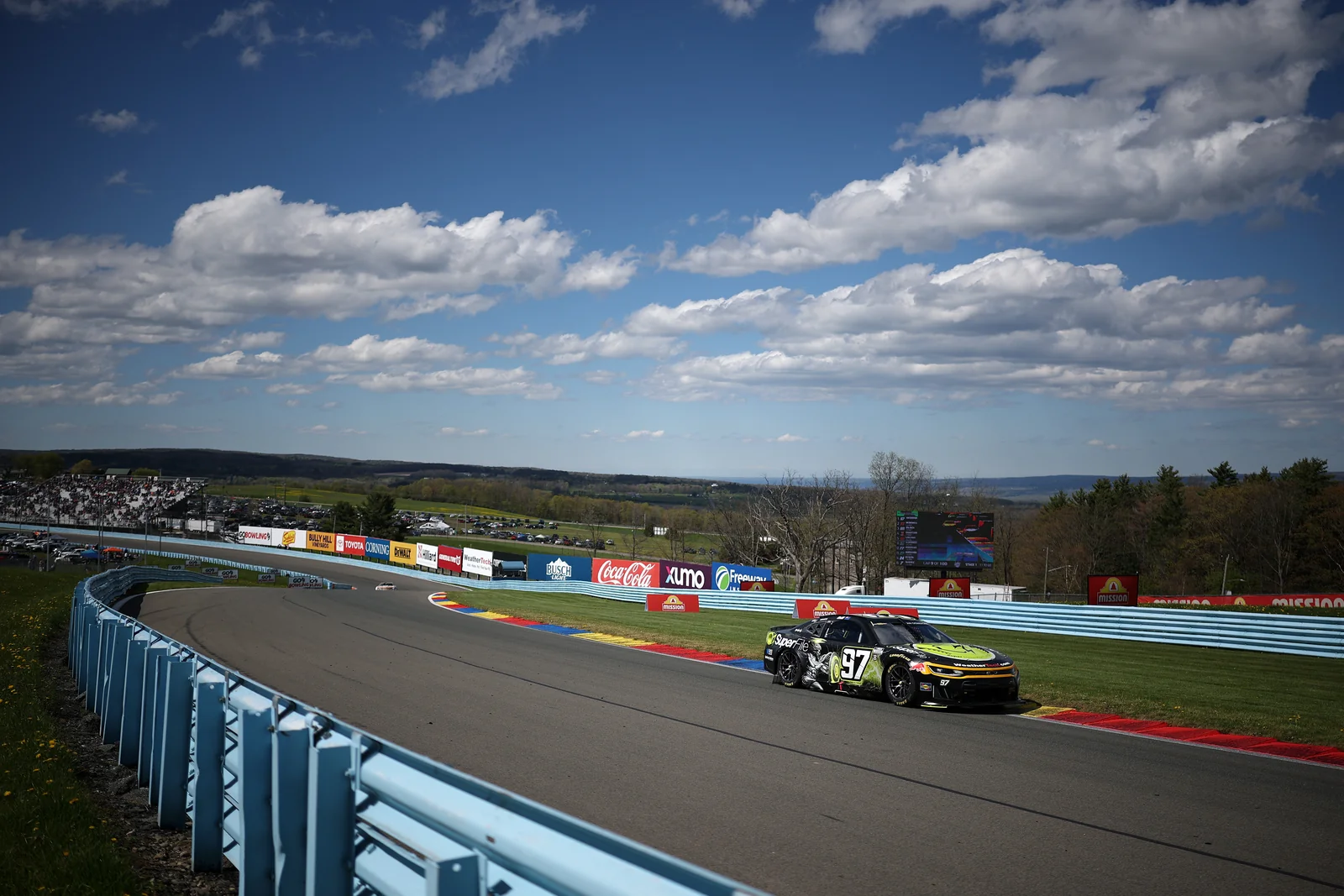
The 2027 NASCAR Chase schedule puts the oval and road-course dates together. When the series reaches New Hampshire a week later, the points table will reflect results from both kinds of racing.
Bristol, Gateway and the rest of the Chase schedule
Richmond, Watkins Glen and New Hampshire replace the three venues that opened the 2026 Cup Chase. Bristol and Gateway return to August. Darlington moves to the other side of the regular-season boundary in September. For fans of the Bristol Night Race in August, the date change puts the high-banked short track four Cup races from the end of the regular season, counting Bristol itself. Gateway outside St. Louis is the next chance to earn points before the field is set.
New Hampshire moves the opposite way. The Loudon race sat immediately before Daytona in the 2026 Cup schedule. Its Sep. 26 slot is race three of the 2027 Chase. On a flatter oval, a driver who can maintain momentum while the car rotates through a corner can find opportunities on fresh tires or a restart. Together the first three stops ask teams to find points on a short track, a road course and a roughly one-mile oval over three consecutive weekends. A reliable finish on a team's least comfortable layout can matter as much to its position in the table as a strong run at a favorite track.
| Chase race | Date | Track |
|---|---|---|
| 3 | Sept. 26 | New Hampshire Motor Speedway |
| 4 | Oct. 3 | Kansas Speedway |
| 5 | Oct. 10 | Las Vegas Motor Speedway |
| 6 | Oct. 17 | Charlotte Motor Speedway |
| 7 | Oct. 24 | Phoenix Raceway |
| 8 | Oct. 31 | Talladega Superspeedway |
| 9 | Nov. 7 | Martinsville Speedway |
| 10 | Nov. 14 | Homestead-Miami Speedway |
From Kansas onward, the seven track names come in the same order they did in 2026. That gives the middle of the schedule a familiar rhythm. Kansas, Las Vegas and Charlotte give teams a stretch of consecutive intermediate-oval races to test whether their speed carries across tracks of the same nominal length. The next stretch asks how they can protect or improve their totals as the calendar changes from Phoenix to the Talladega draft and then to short-track traffic at Martinsville. A points lead carried into one of those weekends can look different before the next.
Homestead follows Martinsville again, with Cup scheduled for Nov. 14. The Florida date is where the series brings its points contest to a close. The 2027 championship weekend at Homestead has separate dates for the other national series and the details a visitor needs to plan around. The Cup path there begins at a different track in 2027 and keeps the same closing sequence.
How to follow the cutoff and the championship week to week
Before Darlington, read the regular-season points table. Find the driver provisionally in the final position that advances and the first driver outside that spot. Check when the table was updated, then watch the two drivers’ stage points and finishing positions. If a broadcast shows live scoring, the margins are provisional. The numbers settle once NASCAR posts the results and applies any changes to the official classification. The NASCAR Cup standings are the starting place once the 2027 season is running.
Once the Chase starts, the task changes to following the leaders among the drivers who qualified. The 2026 rules used one reset for those 16 drivers and counted points over ten races. There were no scheduled elimination rounds. Drivers could still fall out of mathematical contention as scores accumulated and the number of chances to gain points dwindled. When you hear that a driver is out of the championship fight, check whether the commentator means arithmetic or is describing a format from a different year.
The 2026 finale shows what that arithmetic can do. Kyle Larson scored seven points for fourth in Stage 1 at Homestead and clinched the title during the race. He finished 12th. Ryan Blaney went on to win the race. That difference drew opposing views in a post-race NASCAR fan discussion. One commenter wanted the championship to remain in doubt longer, while others enjoyed following the battle for the race win on its own. Both outcomes were visible in the points and results without treating the finale as a winner-take-all race. Read the Homestead discussion.
Use the right series and the official race-week updates
Track names repeat across the national series, so verify the series as well as the venue. The O'Reilly Auto Parts Series starts its Chase at Richmond on Friday, Sept. 10, one day before Cup. The Truck Series starts its Chase at New Hampshire on Saturday, Sept. 25, one day before Cup's third Chase race. A Richmond Friday ticket or listing belongs to a different series from Saturday's Cup opener.
The August calendar includes broadcast partners. Some individual events have a channel in a separate announcement, and race-week pages carry exact times and later changes. Before planning your Saturday evening in Richmond or your Sunday at Watkins Glen, open the NASCAR TV schedule for the correct event and network. For competition details, look up the series’ current season rules and the event schedule. The 2027 dates tell you when each points question matters, and the race-week information tells you when you can watch it play out.
About the author
NASCAR Schedule Editorial Team
The NASCAR Schedule editorial team turns verified schedules, timing and scoring, official announcements and race-weekend context into direct answers for fans.
View all articles by this author →Join the discussion
Comments
Sign in with Google to comment. Keep it race-focused; new comments are reviewed before publication.
Loading comments…