2027 NASCAR Clash at Daytona: Eligibility and Pit-Stop Qualifying
The 2027 Clash returns to Daytona’s oval with a 22-driver cap, a timed pit stop in qualifying and a mandatory tire change during the 70-lap exhibition.
When is the 2027 NASCAR Clash at Daytona?
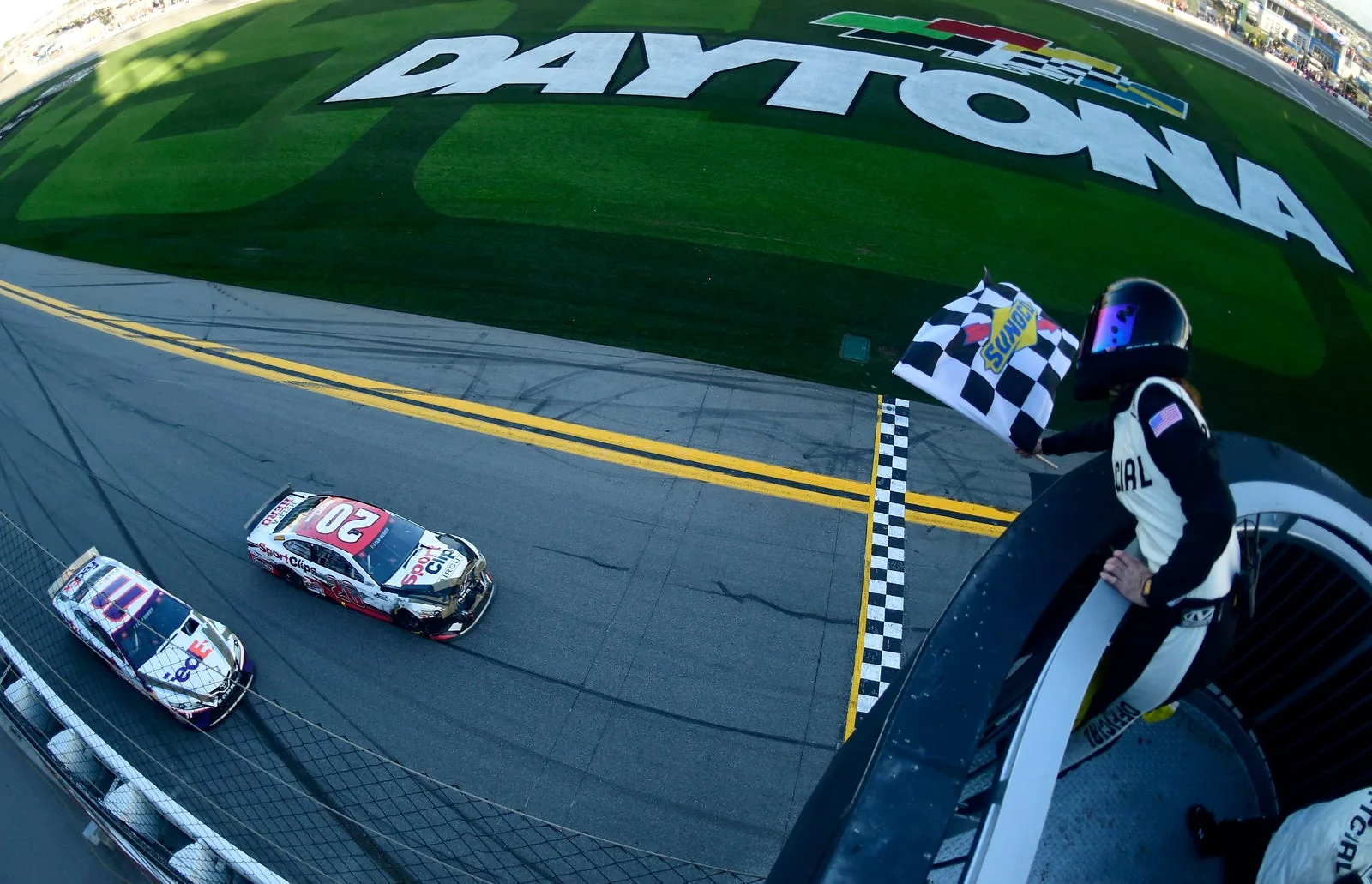
The 2027 NASCAR Clash takes place Saturday night, February 13, at Daytona International Speedway in Daytona Beach, Florida. The Wheatley Vodka Clash opens Speedweeks on Daytona’s 2.5-mile oval as a NASCAR Cup Series exhibition. NASCAR’s November 18 announcement set a 22-driver maximum and a 70-lap race. The starting order comes from a timed run that includes a pit stop, and the race has a scheduled caution on Lap 30. The points-paying Daytona 500 follows on Sunday, February 21.
- Clash race: Saturday, February 13, 2027.
- Venue: Daytona International Speedway’s 2.5-mile oval.
- Distance: 70 laps, or 175 scheduled miles.
- Championship impact: The exhibition awards no Cup Series points.
Two different years describe the return. Daytona last held the Clash in 2021, when the field ran the infield road-course configuration. The last previous edition on the oval was in 2020. The Clash then spent three seasons on the temporary oval at the Los Angeles Memorial Coliseum and the next two at Bowman Gray Stadium. Ryan Preece won the 2026 running at Bowman Gray after snow postponed the event. At Daytona in February 2027, the pack will be back on the long straightaways and steeply banked corners that define the track’s oval racing.
The restricted field has a historical precedent. In 1979, the original Daytona exhibition was a 20-lap sprint for drivers who had earned places through their qualifying speed. Buddy Baker won against eight other starters. The invitation criteria have changed since then. In 2027, a race win can earn a place as readily as a pole, and some former champions have a path in through their records. That history helps explain why a relatively small field can still belong at a venue big enough to hold the Daytona 500.
For a weekend plan, put the Clash date on the calendar first, then verify which sessions your admission covers. The track has separate listings for Friday qualifying and Saturday racing. The national calendar is useful for seeing what follows at Daytona, while the track’s event page is the place to confirm gate information for the session you intend to attend. Read the 2027 NASCAR schedule and the speedway’s Clash event page.
Who is eligible for the 2027 Clash?
A 2026 Cup Series race win or pole earns Clash eligibility. Past winners of the Daytona 500 and former Cup Series champions can also make the field if they competed full time in 2026. NASCAR added one place for a full-time driver from returning manufacturer Dodge. The November 18 bulletin names 21 eligible drivers and leaves that provisional open, so the race can have up to 22 starters.
The full-time condition applies to the two routes based on earlier career achievements. A driver with a qualifying result from 2026 already has a different way in. Corey Heim shows how that works. He qualified through a race win during a part-time Cup schedule. His 2027 full-time deal with 23XI Racing is a separate development. You can look up the 2026 wins in the Cup Series results and check each name against NASCAR’s eligibility bulletin.
The 21 named drivers and how they qualified
The table groups the named drivers by the reasons NASCAR gave in its announcement. Some drivers cover several categories. Joey Logano is listed in all four, but the overlap still produces one eligible driver. Ross Chastain’s listing through a pole shows why a roster assembled only from the previous year’s race winners would miss someone.
| Basis listed by NASCAR | Drivers |
|---|---|
| 2026 pole and win | Christopher Bell, Chase Briscoe, Ty Gibbs, Carson Hocevar, Shane van Gisbergen |
| 2026 pole and win plus Cup title | Ryan Blaney |
| 2026 pole | Ross Chastain |
| 2026 win | Corey Heim, Ryan Preece, Daniel Suárez |
| 2026 win plus Cup title | Chase Elliott, Kyle Larson |
| 2026 win plus Daytona 500 win | William Byron |
| 2026 pole and win plus Daytona 500 win | Denny Hamlin, Tyler Reddick |
| All four routes | Joey Logano |
| Past Daytona 500 win | Austin Cindric, Austin Dillon, Michael McDowell, Ricky Stenhouse Jr. |
| Past Cup title | Brad Keselowski |
Erik Jones won the most recent Clash on the Daytona oval in 2020, yet his name is absent from the November bulletin. For this edition, a previous win in the Clash carries no separate invitation. Alex Bowman also sits outside the named group. A driver’s past results at Daytona only help under the rule if they fit the specified route, such as a Daytona 500 victory with the required 2026 participation.
Dodge’s provisional and the final entry list
Dodge can fill a single manufacturer provisional with a full-time driver. Kaulig Racing has announced AJ Allmendinger and Ty Dillon for its two full-time Cup cars, but NASCAR’s Clash bulletin does not name either driver as the selection. Austin Dillon, who appears in the eligible field on the strength of his Daytona 500 win, is a different driver from Ty. A manufacturer’s two-car Cup program and its one available Clash provisional are separate counts. See the Kaulig driver announcement.
Eligibility also does not secure a ride. Keselowski appears as a past Cup champion, while his 2027 driving plans have been a separate question since his RFK Racing departure. He would still need an entered car to use his eligibility. Read the November bulletin for the qualifying criteria, then look to the eventual entry list for who is actually on the program. The timed qualifying session comes after that and determines how the entrants line up.
How does pit-stop qualifying set the starting grid?
For the Clash, the pole goes to the best overall qualifying time. The stopwatch covers a lap on Daytona’s oval and a portion of the next lap that includes pit service. The track lists both practice and qualifying for Friday, February 12. Its practice description calls for non-drafting groups, so drivers can get a feel for the special qualifying setup without sitting in another car’s wake. Check the timing sequence in the speedway’s format explainer.
One green-flag lap and a stop on Lap 2
The driver leaves pit road on a run-up before taking the green at the start/finish line. That starts the clock. The car completes a full green-flag lap on the oval. On Lap 2, the driver peels off the track, slows for pit road and stops in the team’s stall. The crew changes four tires and simulates refueling. The clock keeps running while the crew works and as the driver pulls away. The checkered flag comes when the car crosses the start/finish line on pit road.
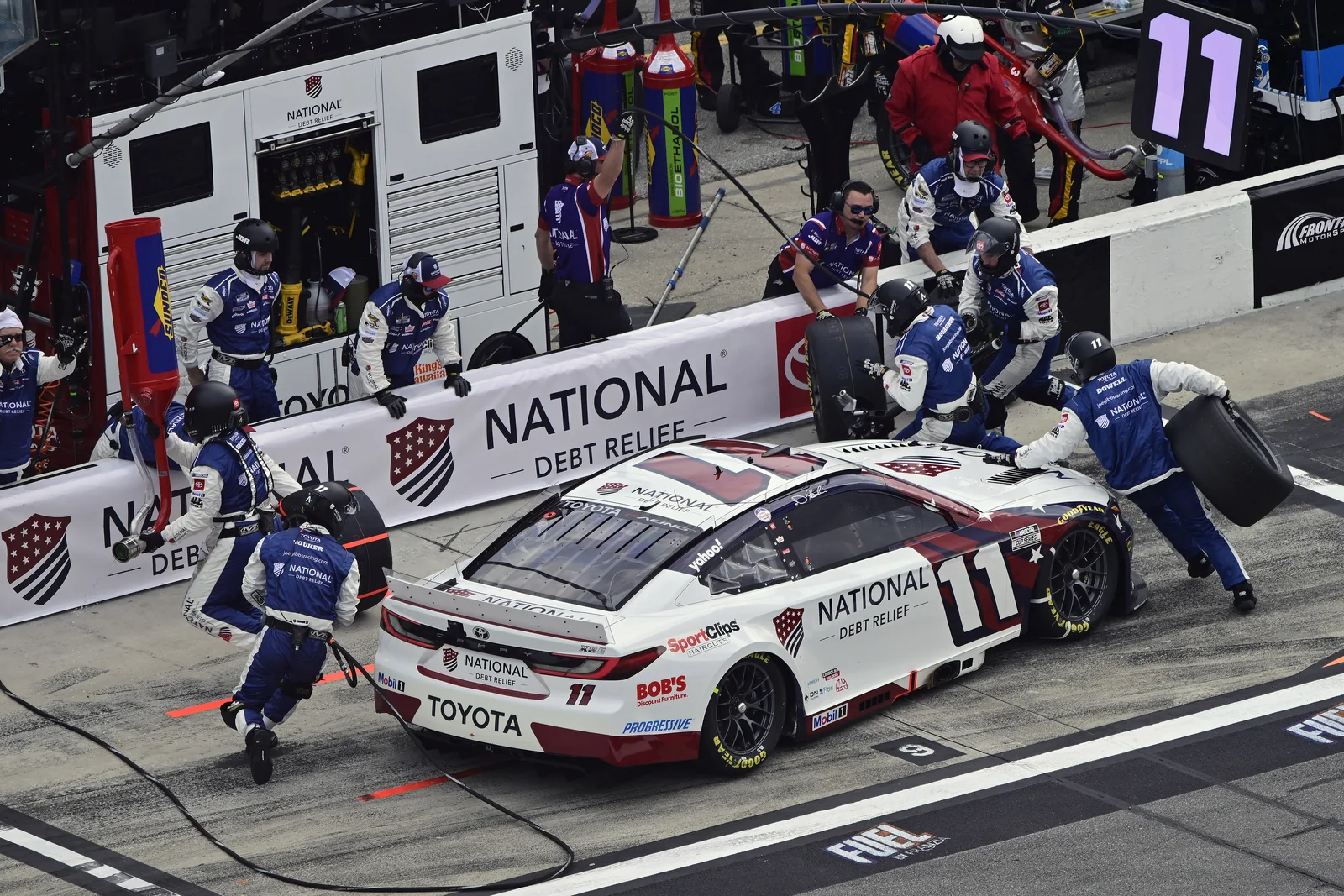
Watch how decisively each driver gets down to pit-road speed, then how cleanly the car comes off the jack and leaves its box. An impressive oval lap can buy a little breathing room. An approach that gives up time, a stop that takes longer than planned or a penalty can spend it before the finish. NASCAR says it will add time for speeding and pit infractions. The opening announcement did not specify penalty increments. The qualifying stop also uses simulated fuel, so fans should judge it as part of a time trial.
Why the fastest lap may not win the pole
Take two hypothetical runs. Driver A is 0.20 seconds quicker than Driver B on the full lap, then gives up 0.70 seconds between pit entry and the finish on pit road. If everything else is equal, Driver B wins the comparison by half a second before penalties. Scoring the whole run gives the pit crew a direct say in where its car starts. A team can set the quickest lap and still have work to do from behind another car on Saturday.
NASCAR also allowed a qualifying-specific configuration. Its simulation suggests a single car could exceed 200 mph in that setup, a projection that will get tested when the cars turn real laps. The track says teams will switch to Daytona 500 race specifications for Saturday. Solo qualifying speed is therefore only one part of scouting a race favorite. The timed stop can reorder the grid, and green-flag running in a pack asks a different set of questions about a car’s handling and how well it works with another car behind it. See how typical sessions work in the NASCAR qualifying guide.
What happens in the 70-lap Clash?
Saturday’s race is scheduled for 70 laps, with a competition caution at Lap 30 and a mandatory four-tire change under that yellow. The cars run in Daytona 500 race specification, the package the track says teams will switch to after Friday’s runs. The exhibition opens with the grid already settled. From there the drivers have to earn track position in the draft, and their crews get another chance to affect the running order during the race.
The Lap 30 caution and mandatory tire change
Every team has the same four-tire requirement at the planned stop. One familiar NASCAR gamble, taking two tires to get off pit road sooner, is unavailable at that break. The common requirement puts more emphasis on execution. A driver still has to brake for pit road, find the right stall and leave cleanly as other cars pull away. On a compact field, a small change in where a driver comes back out can change which cars line up nearby for the restart.
The scheduled caution also gives teams a clear point to plan around. A driver who spent the opening laps testing an outside line gets another chance to choose when to commit to it after the stop. A car that struggled to hold its lane in traffic may give the crew useful feedback before the service. Passing for the lead just before the planned yellow is only part of the picture. Watch whether the car that was strong over the first stretch can reestablish the same pace and connections when racing resumes.
NASCAR's published format describes the four-tire requirement. It leaves the length of the caution and the exact restart lap open, so the 40 scheduled laps beyond Lap 30 are a reference for how much distance remains, rather than a count of guaranteed green-flag laps.
What to watch when the field goes back to green
At Daytona, look down each line a few cars past its leader. Cars running nose to tail can help one another carry speed. If one line stays linked while the other opens gaps, the driver at the front of the tighter line can gain even without pulling far ahead on their own. A driver making a late jump to a new lane needs enough speed and support to stay there. That is what makes a promising run on the backstretch worth following all the way to the tri-oval. See Clint Bowyer’s NASCAR drafting explainer.
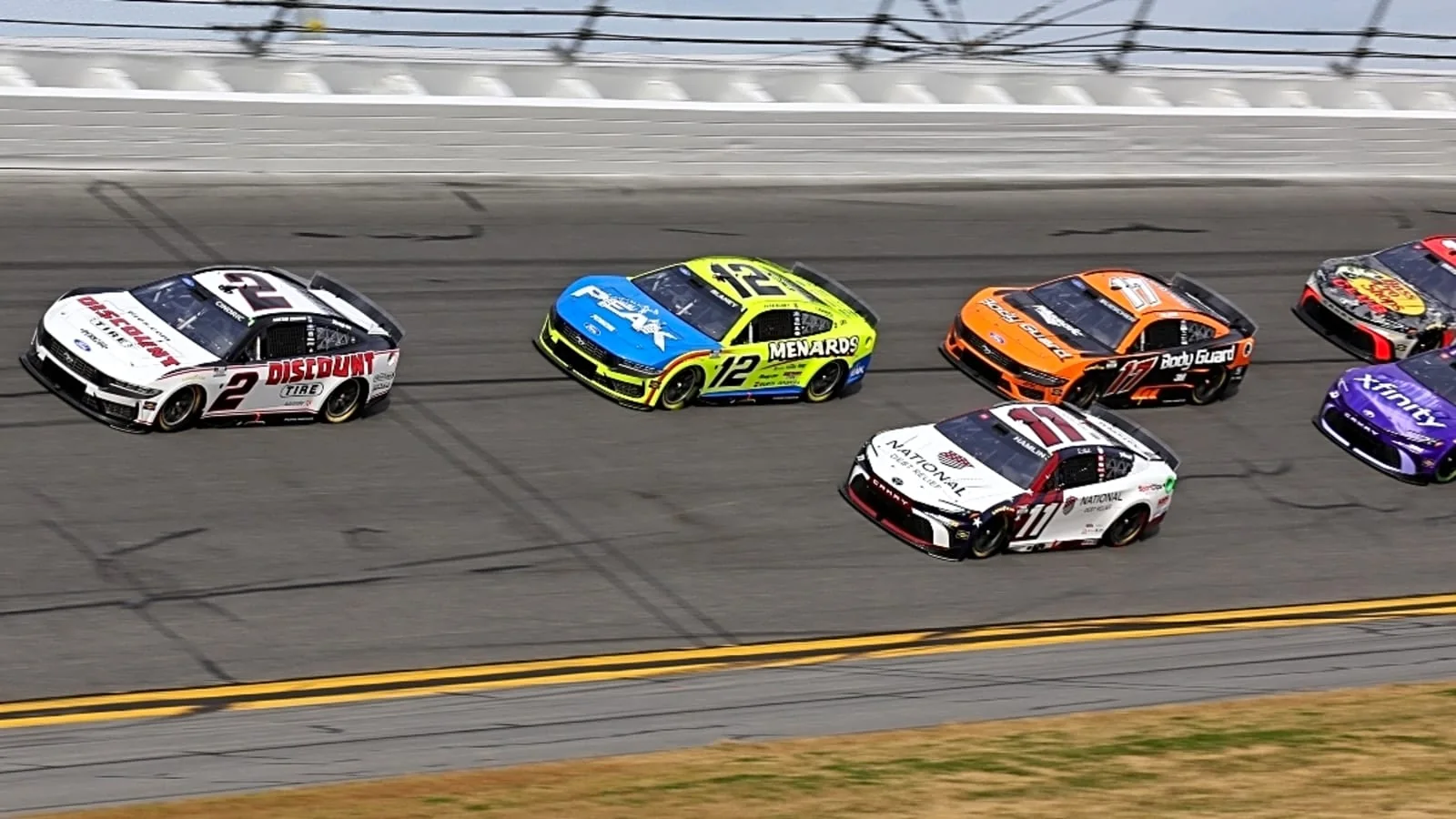
Few cars can make a pole-winning run that reveals how the entry will behave between two other cars on the high banks. That makes the opening green-flag stretch useful scouting for the finish. Note which drivers can hold their lines, who can give a push without leaving a gap and whether anyone can gain ground on both lanes. With no championship points to bank, the race inside the race is about getting into a position to make the winning move.
How does the Clash fit into Daytona 500 Speedweeks?
The Clash has its own qualifying day, starting grid and checkered flag. Daytona 500 qualifying begins on Wednesday, February 17, four days after the Clash. The Duels follow on Thursday, February 18, before the 500 on Sunday. Both programs use Daytona’s oval, so the event name matters when checking a time, buying admission or looking up a result. See Daytona’s Speedweeks program.
| Date in 2027 | Cup session | What it decides |
|---|---|---|
| Friday, February 12 | Clash qualifying | Starting order for Saturday’s exhibition. |
| Saturday, February 13 | Wheatley Vodka Clash | Winner of the preseason exhibition. |
| Wednesday, February 17 | Daytona 500 pole qualifying | Front-row speed for the Daytona 500. |
| Thursday, February 18 | Daytona Duels | Qualifying races for the Daytona 500 grid. |
| Sunday, February 21 | Daytona 500 | Winner of the first points-paying Cup race of the season. |
Here is the distinction in practice. In 2026, the two fastest drivers in the final round of Daytona 500 single-car qualifying locked up the front row. The pair of Duel races then settled the bulk of the grid and provided a route into the field for open entries. That is an example of what the 500’s two-step process does. The Clash’s Friday lap and pit stop set the exhibition order before the calendar turns to pole qualifying for the points opener. The Daytona 500 qualifying guide explains the separate calendar and procedure in more detail.
For a fan choosing one early visit, the right session depends on what you want to see. Friday gives you the unusual solo runs, pit crew execution and changing times on the leaderboard. Saturday supplies the full field in the draft and the crew’s second assignment at the planned yellow. The track currently sells Friday general admission and Saturday reserved grandstand admission as distinct products. Read the event and date on the checkout page before relying on a Speedweeks bundle, and use the 2027 Daytona 500 ticket guide if your trip centers on the later race.
Where to check the schedule and starting lineup
For Saturday viewing, NASCAR’s national calendar lists FOX Sports as the Clash’s broadcast partner. Check the show listing for the exact network and time closer to the event. The start of coverage and the green flag can appear separately when the full timetable is published. The track’s Clash page is the useful reference for gates and sessions at the venue, while the NASCAR TV schedule is the place to check your race viewing plans.
There are three lists to follow in order. The eligibility list answers who has a route in. The entry list should tell you which drivers and cars are actually coming, including which driver uses the Dodge place. Once Friday’s session ends, the published qualifying classification and official starting order answer where those cars line up. That last document is the one to have open when the field rolls off for the Clash.
About the author
NASCAR Schedule Editorial Team
The NASCAR Schedule editorial team turns verified schedules, timing and scoring, official announcements and race-weekend context into direct answers for fans.
View all articles by this author →Join the discussion
Comments
Sign in with Google to comment. Keep it race-focused; new comments are reviewed before publication.
Loading comments…