Days of Thunder 2 NASCAR Cameos: Which Drivers Want In—and What’s Actually Confirmed
Current Cup stars are enthusiastic, but interest and consultation are not casting. This tracker separates the two.
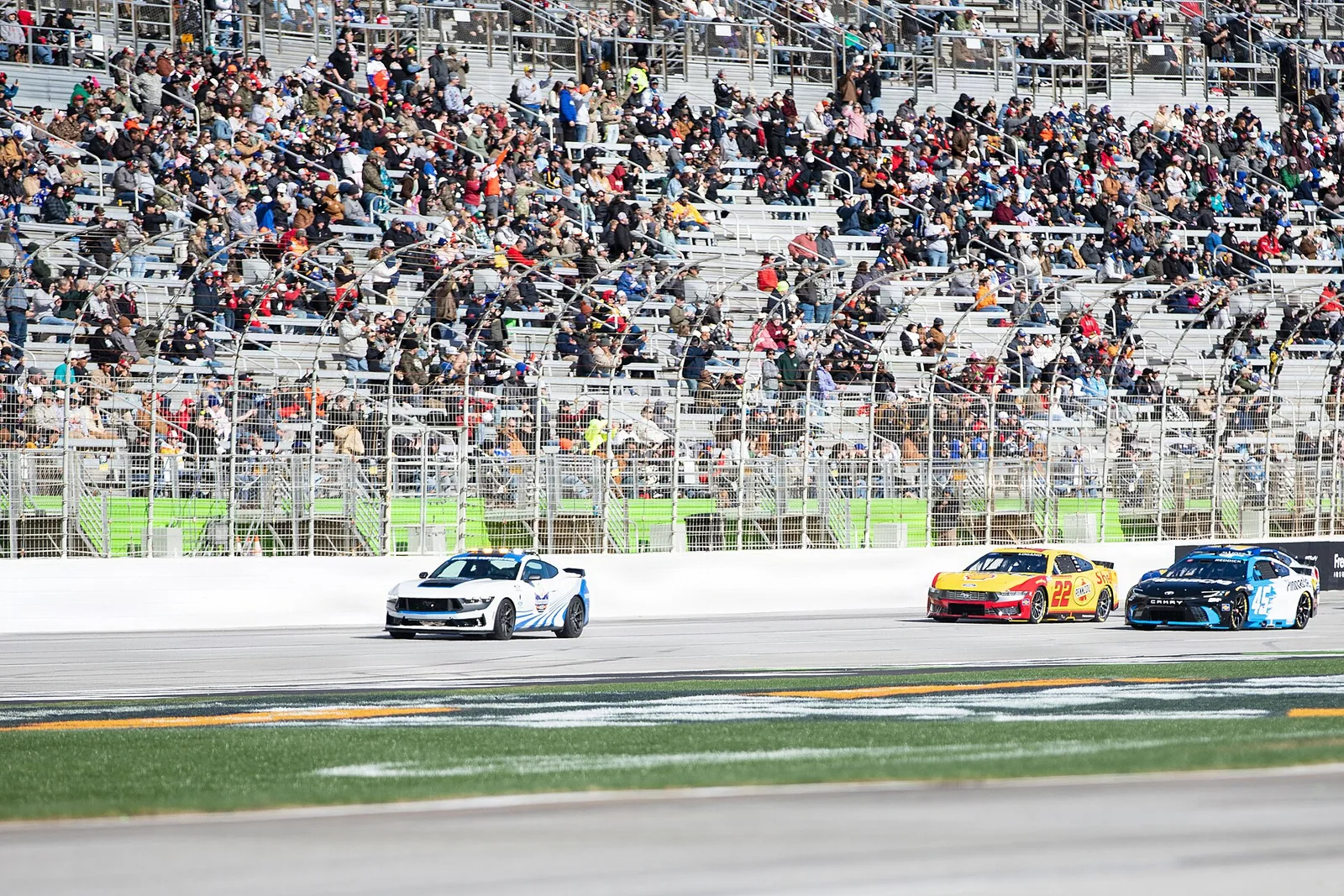
The short answer: no current NASCAR driver cameo is confirmed yet
Joey Logano, Chase Briscoe and Kyle Larson have publicly welcomed the idea of appearing in the new Days of Thunder, but none was announced as a cast member by September 8, 2026. Their comments came after Tom Cruise and the film team met Cup drivers and owners at Daytona. That makes them interested participants and valuable advisers—not confirmed cameos.
AP reported that filming is scheduled to begin in early 2027. A production start creates plenty of opportunity for real drivers, broadcasters, crew members and cars to appear, but a cameo normally becomes reliable only when the studio, production, driver or team confirms it—or when verified filming makes the appearance unmistakable. A driver saying “I would love to” is not that threshold.
The distinction is especially important because motorsports films use real participants in several ways. A driver can play himself, appear silently in a meeting, drive a picture car, lend a real car for background action or simply advise the writers. Only some of those roles produce an on-screen credit. This tracker will label each development by what it actually proves.
For readers arriving through the film rather than the sport, the 2026 Cup drivers and teams guide identifies the real competitors discussed below. The sequel’s NASCAR connection is already authentic at the research stage; the unanswered question is which of those relationships will become visible on screen.
Logano, Briscoe and Larson each want a different kind of role
The three most direct cameo answers share enthusiasm but not the same ambition. Logano imagines the family bragging rights. Briscoe is comfortable with either a personal appearance or his car becoming the recognizable object. Larson likes the behind-the-scenes opportunity while openly questioning whether he should act. Those differences suggest the production has several authentic ways to use current stars.
Joey Logano wants the ultimate “cool dad” cameo
Logano gave the most openly enthusiastic answer at Chase Media Day. The three-time Cup champion said an appearance would earn “cool dad points” with his five children, who have watched the original with him. He also noted that he would not turn down the opportunity. It was a personal reaction, not an announcement that Team Penske or the No. 22 has signed a production agreement.
Logano is an obvious cameo candidate in editorial terms because he is recognizable, comfortable on camera and experienced at explaining racing. A brief driver-meeting scene, television interview or grid exchange could use those qualities without asking him to portray a fictional character. But “obvious” remains analysis. Paramount has not placed his name on the cast list.
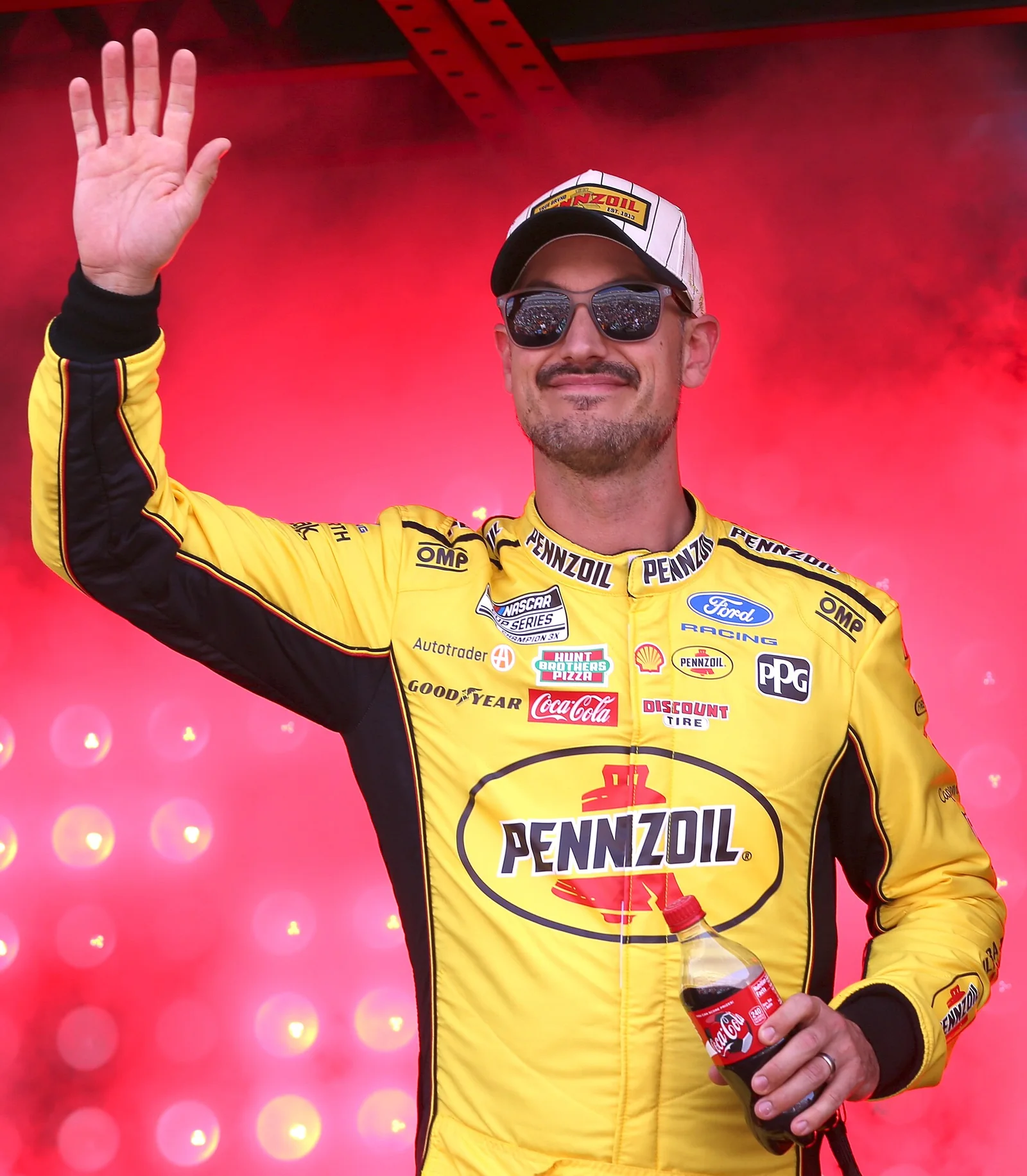
Chase Briscoe would take a role—or just his car on screen
Briscoe framed the opportunity more broadly. He said he would love to appear and could also imagine current drivers’ cars being used even if the drivers receive little or no dialogue. That is a practical distinction. Race footage needs a believable field, and modern sponsor approval, manufacturer coordination and paint schemes can be as important to visual authenticity as a speaking cameo.
His Daytona interaction with Cruise also made the project feel less abstract. Briscoe described Cruise entering the driver council meeting unexpectedly and spending roughly 20 to 25 minutes explaining his goals. The driver came away believing the filmmakers wanted to present NASCAR’s people respectfully. That consultation is meaningful even if Briscoe never appears in the finished cut.
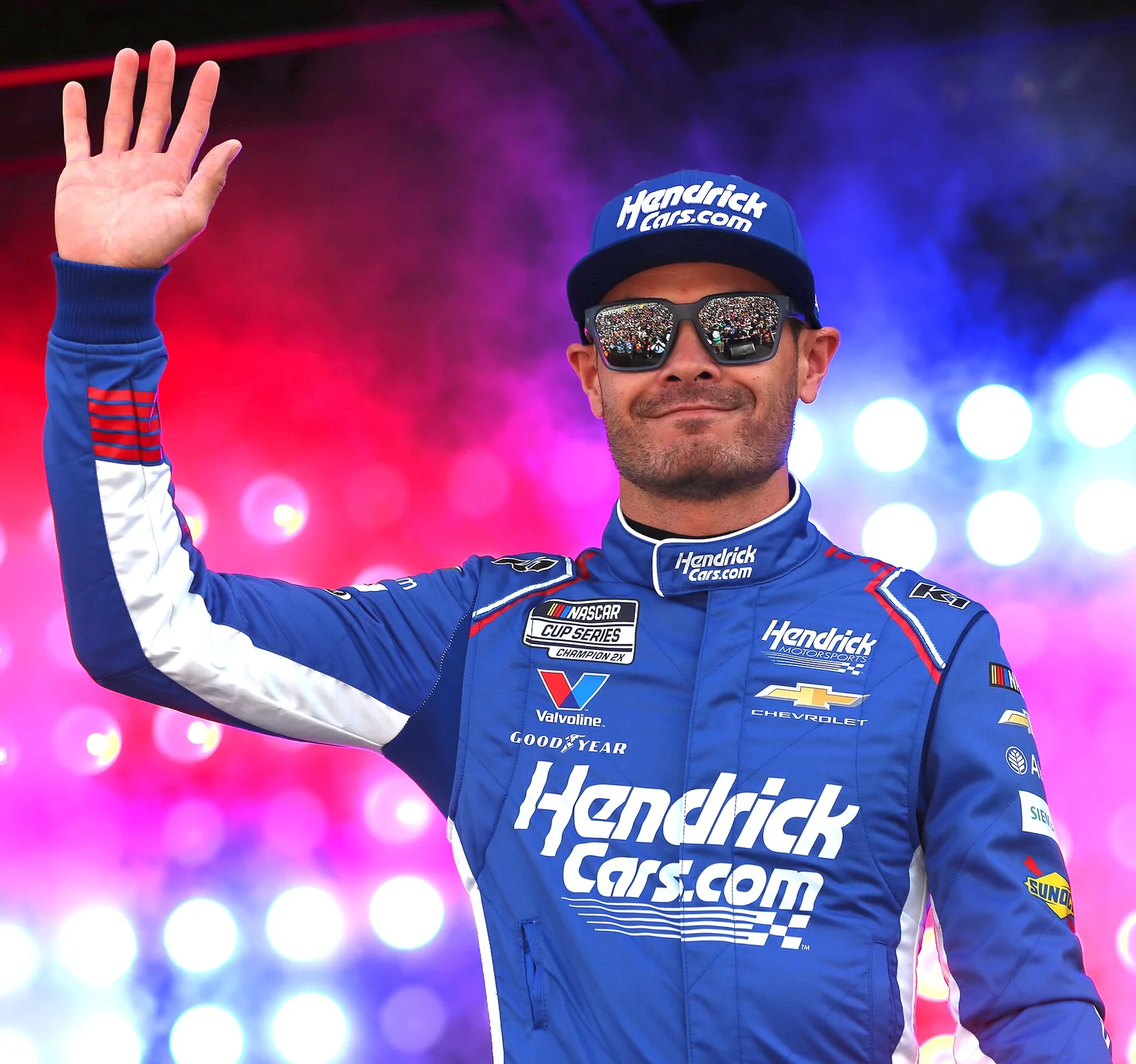
Kyle Larson is interested but jokes about his acting
Larson said involvement would be a cool opportunity, then joked that he did not want weak acting to make the film worse. The self-awareness points toward a cameo that keeps him in his real role: driver, competitor or technical reference. A natural reaction in the garage can be more convincing than forcing a professional racer to carry scripted exposition.
Larson also expressed hope that Hendrick Motorsports could participate, citing the organization’s original-film experience and ability to support a complex production. He did not say a deal exists. His interest covers both possible screen time and learning how the movie is built. Fans can follow these drivers’ actual competition through NASCAR results; a film role would be an extension of their public identity, not proof of racing status.
The drivers are already influencing the movie without being cast
A cameo is the visible outcome fans can celebrate, but consultation may have the larger effect on the film. Cruise, Bruckheimer and screenwriters used the Daytona weekend to hear how present-day NASCAR operates. Several drivers described real exchanges rather than a promotional handshake.
Carson Hocevar supplied real-life ideas and video
Carson Hocevar said he had been able to provide ideas and video clips from real incidents across roughly the last 20 years. That is valuable because NASCAR’s modern drama is often procedural: a late caution changes the pit call; a damaged car falls under the repair policy; a spotter prevents a wreck; a driver manages stage points while fighting for the win. Writers need examples that show why a choice matters, not just footage of fast cars.
Hocevar’s input does not reveal which ideas entered the script. It does show that the production sought contemporary details from someone racing the Next Gen car now. That is a stronger authenticity signal than copying the visual language of the 1990 film without updating how teams communicate and make decisions.
Denny Hamlin wants the NASCAR lifestyle to feel true
Hamlin remembered the original as his early racing movie because, despite dramatization, it felt connected to NASCAR’s lifestyle. His interest in the sequel centers on how it depicts the sport and the stated intention to tell a NASCAR story. As both a veteran driver and team co-owner, he can recognize details from two sides of the garage.
That perspective matters for scenes outside the car. The difficult parts of a season include debriefs, sponsor obligations, crew trust, ownership decisions and the emotional aftermath of a mistake. A modern sequel can use current drivers to test whether those moments sound like people inside the sport rather than generic movie athletes.
Daytona meetings gave Cruise access to teams and owners
Cruise attended the August 29 Daytona drivers’ meeting after speaking with the driver council and visiting owners. AP reported that screenwriters joined conversations intended to understand routines and how NASCAR has changed in 36 years. Hendrick’s account similarly emphasized Cruise’s interest in the community, team structure, speed and danger.
That access can improve everything from the order of a race-day meeting to the way a driver speaks with a crew chief after contact. It also opens logistical relationships if production needs current cars, shop space or controlled track filming. None of it confirms which team will provide equipment, but it means the production is asking the right people before cameras roll.
Fans following the real rhythm the film is trying to capture can use the NASCAR schedule this weekend. Practice, qualifying, team meetings and the race do not occur as isolated set pieces; their sequence creates the pressure a credible story should understand.
Why real NASCAR cameos worked in the original film
The first Days of Thunder did not ask every NASCAR personality to become a dramatic actor. It placed recognizable competitors and real racing infrastructure around Cole Trickle’s fictional story. That mixture made the world feel occupied before the audience analyzed whether every racing detail was exact.
Petty, Wallace, Bonnett and Gant connected fiction to the garage
Richard Petty, Rusty Wallace, Neil Bonnett and Harry Gant appeared in the 1990 film. Their presence told race fans that the fictional drivers shared a world with recognizable NASCAR figures. The cameos also rewarded knowledgeable viewers without demanding that newcomers understand a separate subplot.
That is the useful model for 2028. A current champion can walk through the driver meeting, answer one broadcast question or line up beside a fictional car. The moment works because the person is doing a believable job. Dialogue is optional; recognition and context do most of the work.
The original also filmed material around real competition, which helped crowd, pit-road and racing scenes carry natural motion. Modern production faces more complicated commercial and safety coordination, but it also has better camera systems and simulation tools. Real-driver involvement can anchor those techniques in correct behavior.
Hendrick Motorsports supplied more than background faces
Hendrick Motorsports helped build, prepare and repair the stock cars used in the first production. City Chevrolet, Rick Hendrick’s real dealership, appeared as Cole Trickle’s initial primary sponsor. The fictional relationships also borrowed elements from actual NASCAR people, including crew chief Harry Hyde and drivers Tim Richmond and Geoff Bodine.
That support explains why Larson talks about team involvement, not only his own face. A racing film needs cars that can run repeated takes, mechanics who understand failures, transport logistics and people who can reset equipment safely. The shop behind the cameo can contribute more authenticity than the cameo itself.
The sequel will depict an era of composite bodies, single-lug wheels, digital dashboards and far more data. The site’s NASCAR cars through the years guide shows how large that visual and technical jump is. If a team supports production, its most important task may be translating those systems into action the audience can understand without turning a scene into a rules lecture.
What a modern cameo should accomplish
The best cameo is not automatically the biggest star or longest speaking part. It is the appearance that makes a scene behave more like NASCAR. Based on the production’s stated interest in teams and community, current drivers can add credibility without pulling the audience out of Cole Trickle’s story.
Put recognizable people in believable jobs
Logano or Hamlin appearing as themselves in a media scrum would require almost no explanation. Larson passing a fictional driver in the garage, Briscoe joining a council scene or Hocevar reacting on pit road can work for the same reason. These people already know where to stand, how drivers speak before a race and what emotional volume fits the moment.
A more scripted role can still succeed, but it should use the driver’s natural expertise. Asking a racer to deliver a dense plot revelation may expose the acting gap Larson joked about. Asking the same racer to question a risky setup, complain about dirty air or congratulate a rival draws on lived experience. The audience receives authenticity through behavior rather than celebrity recognition alone.
Let current cars and race procedures carry the authenticity
The visual details have changed dramatically since 1990. A present-day Cup car arrives with a center-locking single lug, sequential transaxle, composite body and dashboard data. Pit stops use five crew members over the wall under current rules. Stage breaks, overtime and the damaged vehicle policy alter strategy. A sequel does not need to explain every rule, but it should avoid building major drama on a procedure NASCAR no longer uses.
Current cars can also make cameos. Briscoe’s comment that perhaps his car could appear recognizes how much fans read from a paint scheme, manufacturer nose and number. A real field around fictional entries reduces the feeling of a sealed movie universe. Sponsor and team approval will determine what is possible, and a car photographed during production may not survive the final edit.
The clearest storytelling opportunity is cause and effect: a bad qualifying result puts Trickle in traffic; traffic hurts the car; a caution opens a pit choice; a slow stop changes the restart lane. Real NASCAR participants can check that chain. The NASCAR schedule shows the variety of tracks a modern season includes, giving the filmmakers many believable environments without inventing generic oval racing.
This is editorial analysis, not a description of the unseen script. The production may choose a very different story. But the drivers’ comments indicate that authenticity—not simply screen time—is the contribution they most want the NASCAR community to make.
What remains unconfirmed about Days of Thunder 2
The sequel is now an announced Paramount production with a dated release, not merely a Hollywood rumor. That does not make every detail attached to it official. Film development continues through casting, location planning, sponsor agreements, production and editing, and each stage can change what viewers eventually see.
A release date is not a complete cast list
Cruise and Hathaway are confirmed leads, Levine is set to direct, and Bruckheimer and Harper are producing with Cruise. Current NASCAR drivers have not been added to the public cast package. Logano’s enthusiasm, Briscoe’s flexibility and Larson’s interest are all newsworthy because they reveal industry support, but none is a casting notice.
Fans should look for a studio release, a production credit, a driver/team announcement or well-sourced casting report. A photo of Cruise speaking with a driver proves access, not a role. A car seen near a camera crew can be a test, background vehicle or unused setup. Even filmed material can be removed before release.
Plot, team involvement and filming details can still change
Variety reported Hathaway will play a team owner and engineer, while Cruise returns as Cole Trickle. Beyond that framework, a full official logline was not available in the material reviewed for this September 8 update. It would be premature to assign Trickle a mentor role, name a fictional team or claim the story follows a particular championship.
AP reported filming is scheduled to begin early in 2027. That is a plan rather than evidence that a specific race weekend will be used. Daytona is a logical connection because the announcement and meetings happened there, but confirmed production locations should come from permits, studio statements or verified reporting.
Hendrick Motorsports is similarly a strong possible partner, not a confirmed supplier. The team’s original role, Rick Hendrick’s relationship with Cruise and Gordon’s support all create a compelling connection. Larson explicitly said he hoped the organization would help and had not heard whether it would. Preserving that uncertainty is more credible than declaring a reunion early.
As updates arrive, the useful questions are concrete: Was a driver cast or merely consulted? Is a car appearing, and under what identity? Is a real race being filmed, or will action be recreated at a private test? The NASCAR features archive can update those answers without rewriting interest as fact.
Days of Thunder 2 NASCAR FAQ
When will Days of Thunder 2 be released?
Paramount has scheduled the new Days of Thunder for June 2, 2028. Variety reported it will be shot for IMAX and released theatrically in formats that include Dolby Cinema and 4DX. Release dates can move during production, so the date should remain labeled as scheduled.
Who is confirmed to star?
Tom Cruise is returning as fictional NASCAR driver Cole Trickle, and Anne Hathaway is co-starring as a team owner and engineer. Jonathan Levine is set to direct. No current NASCAR Cup driver cameo had been confirmed publicly by September 8, 2026.
Which NASCAR drivers appeared in the first movie?
AP identified Richard Petty, Rusty Wallace, Neil Bonnett and Harry Gant among the real NASCAR drivers who appeared in the 1990 film. The original production also drew heavily on NASCAR expertise behind the scenes, including Hendrick Motorsports’ work preparing and repairing cars.
When does filming begin?
AP reported that filming is scheduled to begin in early 2027. That window does not confirm individual locations, races or driver appearances. Production announcements and verified track activity will provide firmer details closer to filming.
The current cameo leaderboard is therefore about enthusiasm, not contracts: Logano is openly eager, Briscoe would welcome either himself or his car appearing, and Larson likes the opportunity while preferring not to overact. Hocevar and other drivers have already helped with real-life context. Until a formal announcement changes the status, the honest answer remains that NASCAR’s people are influencing the movie, but its current-driver cameos are still to be determined.
New film fans can see the real version of that community through the NASCAR schedule this weekend. The sequel’s strongest opportunity is to make those race-day relationships understandable without sanding away the sport’s complexity.
About the author
NASCAR Schedule Editorial Team
The NASCAR Schedule editorial team turns verified schedules, timing and scoring, official announcements and race-weekend context into direct answers for fans.
View all articles by this author →Join the discussion
Comments
Sign in with Google to comment. Keep it race-focused; new comments are reviewed before publication.
Loading comments…