NASCAR vs IndyCar vs F1: Cars, Speed, Tracks and Which Race to Watch
A fan-focused three-way comparison explaining what makes NASCAR, IndyCar and Formula 1 races different, how to read speed claims and what to follow during a race.
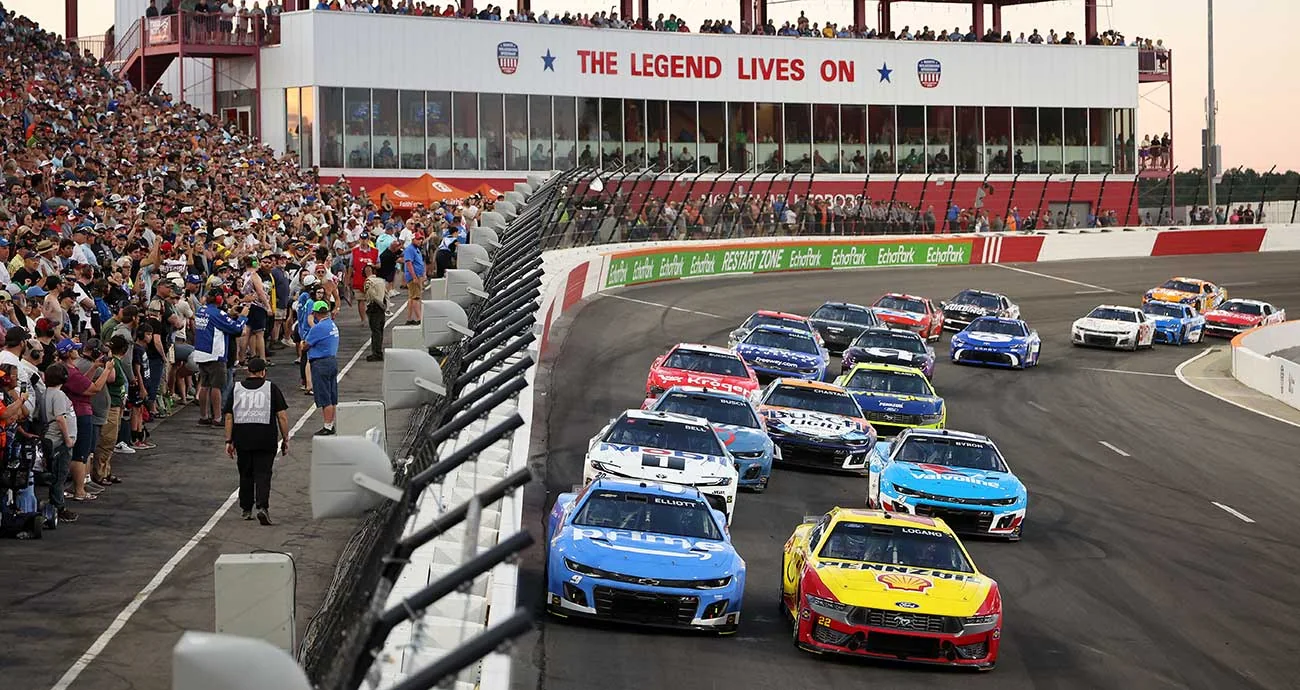
NASCAR, IndyCar and Formula 1 differ in their cars, tracks and the decisions that shape a race. NASCAR Cup uses enclosed-wheel stock cars; IndyCar and F1 use open-wheel cars, with different development rules and engine systems. If you want to know which is faster, first separate peak speed from average lap speed and full-lap performance. If you want to know which to watch, start with the action you enjoy: traffic and restarts, mixed-track open-wheel racing, or the F1 contest between constructors. Here is how to recognize those differences and follow your first race.
NASCAR, IndyCar and F1 at a glance
The easiest difference to recognize is the car. NASCAR Cup cars have a roof and bodywork around the wheels. IndyCar and Formula 1 use single-seat, open-wheel machines, but they follow different technical rules and calendars. The Indianapolis 500 is an IndyCar race; a NASCAR race at the same speedway is a separate event with different cars and procedures.
| What you are comparing | NASCAR Cup | IndyCar | Formula 1 |
|---|---|---|---|
| Car identity | Purpose-built stock car with manufacturer styling | Open-wheel car on a shared chassis platform | Open-wheel car developed by its constructor |
| Calendar character | Oval-heavy, with road and street racing too | Ovals, permanent road courses and street circuits | International road and street circuits |
| Useful first viewing focus | Traffic, restarts and long-run handling | Fuel windows, tire choices and track-specific setup | Team pace, tire strategy and technical development |
These are viewing pointers rather than limits on what matters. A NASCAR road race can turn on braking and pit timing, while an IndyCar oval race can turn on how well a driver follows another car through turbulent air. F1 also involves traffic, and the other two series also involve substantial engineering. The rules change which part of that story you tend to see most clearly.
For this guide, “NASCAR” means the Cup Series rather than every championship under the NASCAR name. The comparison uses the 2026 technical context and emphasizes where IndyCar fits between stock-car racing and F1. Our NASCAR vs F1 guide goes deeper into the two-way car and race-strategy comparison. If you are choosing what to watch, start with the sort of race action that interests you, then learn the rules that explain it.
Why the cars look and race differently
The body shape gives you a quick clue, but the engineering rules explain more. Each championship decides which parts teams can develop, which hardware they share and how power reaches the track. That creates different problems for drivers and engineers, even when two cars look broadly similar on television.
NASCAR Cup: enclosed wheels and a V8
A Cup car is a purpose-built racing machine with manufacturer styling, enclosed wheels and a V8 engine. It is not a showroom car with stickers. The Next Gen platform introduced independent rear suspension and a sequential gearbox, while retaining the recognizable stock-car silhouette. Our stock-car explanation helps separate the name from what is underneath the body.
There is no single power figure for every NASCAR track. The 2026 technical updates specify a 750-horsepower short-track/road-course package; other configurations serve different venues. As a viewer, watch whether a driver can apply the throttle cleanly on corner exit. A car that slides and spins its tires can lose time despite having the same permitted engine output as a rival.
IndyCar: a shared chassis with two engine suppliers
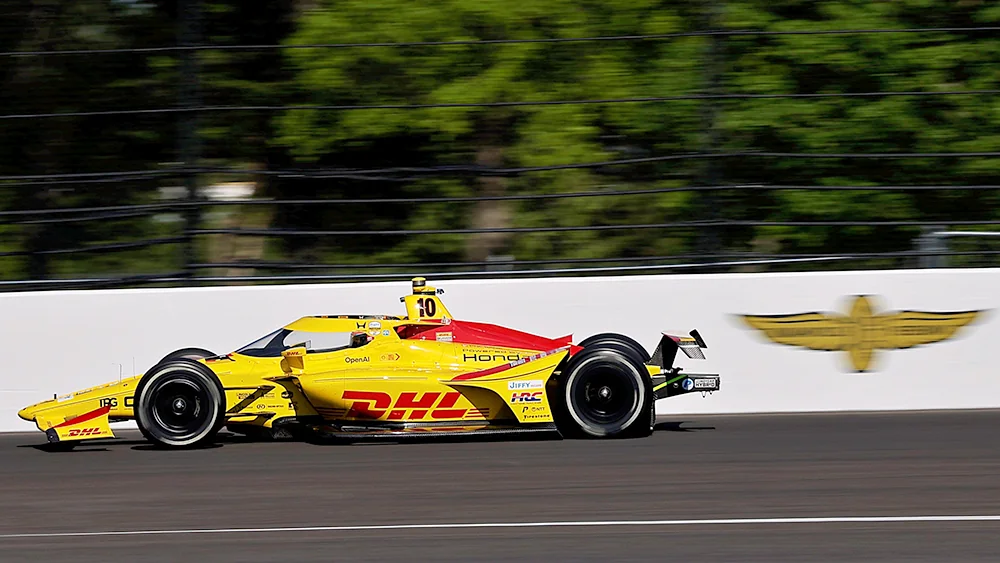
IndyCar teams use a shared Dallara chassis platform, with a 2.2-liter twin-turbo V6 from Honda or Chevrolet and a hybrid system. The official car guide also identifies the absence of power steering and the use of different aerodynamic configurations for different track types. Exposed wheels and the protective aeroscreen distinguish the car visually.
Shared hardware still leaves room for setup choices and execution. Think of the chassis as a common starting point: teams must find a balance that lets the driver brake, turn and accelerate confidently. When a car is quick alone but struggles behind another, the driver may need a different line or a better opportunity to pass. Look beyond the engine badge to how the car behaves through a full stint.
Formula 1: a car developed by each constructor
F1 constructors design their cars within a common rulebook. That makes the development contest a larger part of the story: a new floor or wing may change a team's competitiveness. The 2026 F1 regulations overview describes a 1.6-liter V6 turbo hybrid with a much larger electrical contribution and active aerodynamics at both ends of the car.
For a first race, compare teammates as well as rivals. Two drivers from one team offer a useful reference for pace, while differences between teams can reveal the car's strengths. It is still an imperfect comparison: tires, traffic and strategy can put teammates in very different situations.
Which is faster: NASCAR, IndyCar or F1?
Start by asking what “faster” measures. IndyCar produces extraordinary sustained speeds on big ovals. A road-course lap asks a different question because braking and cornering consume much of the time. A maximum speed headline cannot tell you which car would complete a particular circuit first.
Top speed is different from average lap speed
At the 2026 Indianapolis 500, Alex Palou's pole-winning average was 232.248 mph, according to the official starting grid. That number covers a four-lap qualifying run. It does not mean the car traveled at exactly that speed throughout the run, or that 232.248 mph was its maximum.
For another clearly labeled example, Kyle Busch's 2026 Daytona 500 pole lap averaged 183.651 mph. Daytona and Indianapolis differ, as do their cars and qualifying procedures. Those figures show what each qualifying session measured; dividing them does not produce a fair percentage difference between the championships.
An F1 speed-trap reading measures speed at a specific point, often near the end of a straight. It is another category again. The highest reading there may belong to a car that gives away time in corners. For a simple arithmetic illustration, completing a two-mile lap in 60 seconds means a 120 mph average, regardless of how high the speedometer briefly climbs.
A fair lap-time comparison needs the same conditions
A useful comparison needs the same circuit layout, comparable track conditions and a clear session type. Qualifying on fresh tires and low fuel differs from a race stint in traffic. A resurfaced corner, revised chicane or different tire can also change a lap enough to make an old comparison misleading. The venue name alone is insufficient.
This matters especially when an old F1 lap is compared with a current IndyCar or Cup lap. F1's 2026 rules changed the car, and NASCAR can use different layouts from other series at the same venue. Treat historical lap comparisons as historical examples, with their year and layout attached.
When watching, follow the gap across several corners rather than waiting for one spectacular speed number. Does the chasing car gain on the straight but fall back through the turns? Does its pace fade after several laps? Those observations explain a race better than declaring one series the fastest without specifying the test.
Ovals, road courses and street circuits
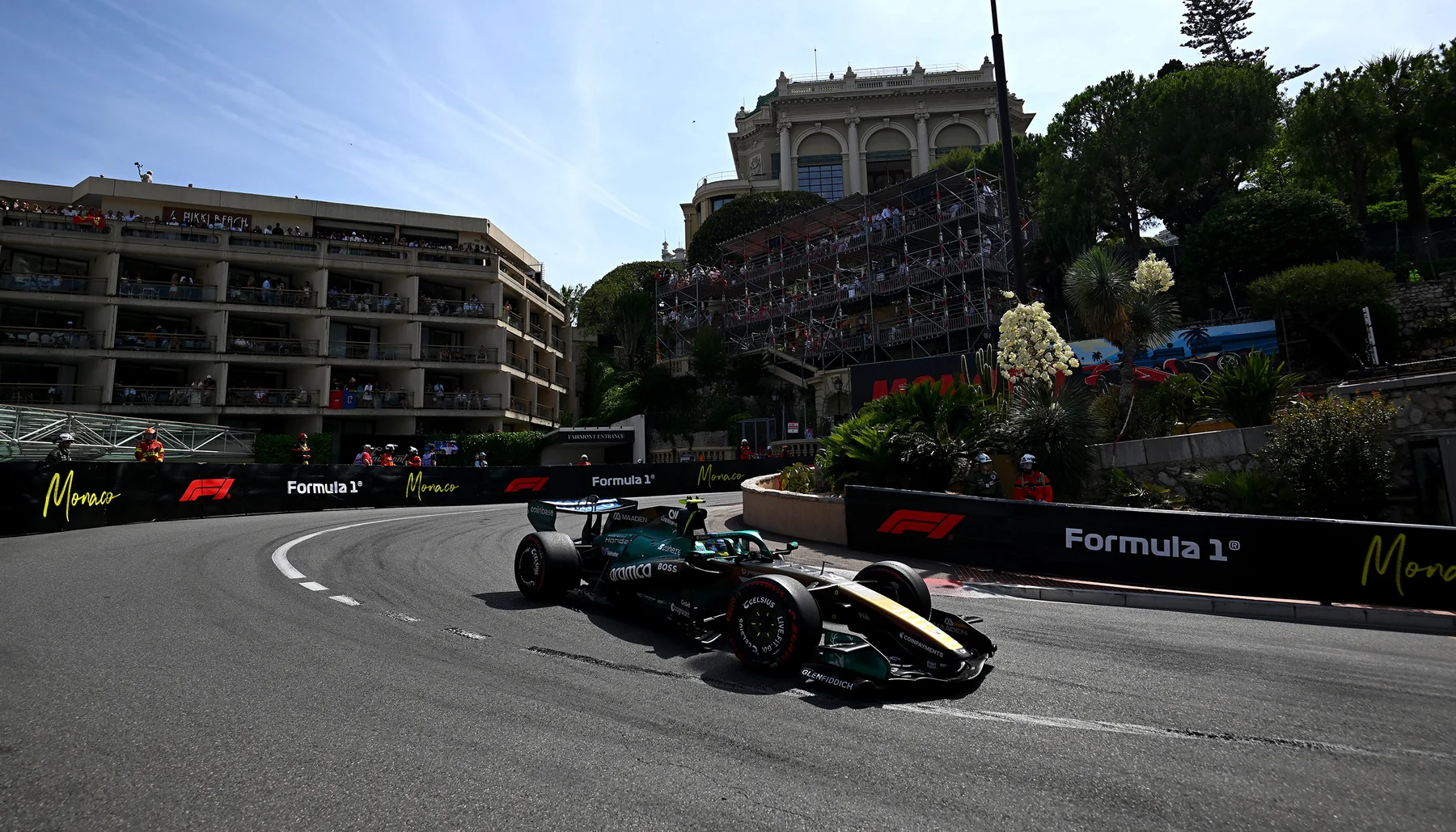
Track type can change the feel of a race as much as the series name. Cup is built around an oval-heavy schedule, but it also races through right-hand turns and braking zones. Its 2026 San Diego event used a street course at Naval Base Coronado. IndyCar combines ovals, road courses and street circuits; contemporary F1 races on road and street circuits rather than an oval championship schedule.
On an oval, watch the relationship between the chosen lane and the cars around it. A driver may gain position with momentum around the outside, then struggle to hold that line when another car interrupts the airflow. Traffic keeps arriving as the leaders catch slower cars. Repeated turns also let you see small handling changes accumulate over a long run.
Two ovals need not offer the same action. Corner banking, surface grip, length and the car's configuration change the challenge. IndyCar's official wing-setup explanation illustrates why teams prepare differently for superspeedways and road or street courses. The track name and configuration belong beside any performance claim.
On a road course, choose one braking zone and follow how drivers approach it. A good exit from the previous corner can create the passing chance before the cars reach the brakes. A driver who takes a defensive entry may protect position but compromise the next acceleration zone. Watching that sequence makes a pass easier to understand than counting overtakes alone.
Street circuits add barriers and a constrained layout. F1's Monaco circuit guide describes an especially narrow example, but do not assume every city race behaves like Monaco. For your first NASCAR weekend, check the venue on the weekend schedule. A road race and a big oval race give you two different introductions to the same cars.
Pit stops, tires and cautions change the story
A pit stop changes more than the order on the scoring tower. It changes tire age, remaining fuel and the driver's next task. The most useful question is whether two cars are racing on the same plan. A leader who still owes a stop may be behind a rival once everyone has completed the pit cycle.
Fuel and tire strategy in IndyCar and NASCAR
IndyCar and Cup teams refuel during races, so a fuel window helps determine when they must stop. Saving enough fuel to extend a stint can open another option, but saving also costs pace. Imagine one driver stops earlier and pushes hard, while another stays out and conserves. Their temporary positions do not tell you whose plan is winning; watch where they meet after both have stopped.
IndyCar adds compound choices at road and street events. Its 2026 competition update requires one set of primary tires and two sets of alternates in a normal dry street race. That is a street-event requirement, rather than a rule for every oval. It gives you a reason to note the tire choice beside each driver's name instead of treating all stints as equivalent.
For Cup, fresh tires, track position and stage points can pull a crew chief in different directions. Staying out may protect a points-paying position now; stopping may create better pace afterward. Our NASCAR rules guide explains the flags and stages behind those calls. Do not assume that the nominal stage-end lap guarantees an identical sequence every time: NASCAR changed its late-stage caution procedure during 2026.
A caution changes the calculation again. The field's reduced speed can make stopping less costly in time, but the timing of pit opening and each car's position still matter. Watch who stops, who stays out and how old their tires are at the restart. A driver losing several places immediately may be paying for a deliberate track-position gamble.
F1 tire stops and energy deployment
F1 cars do not refuel during the race. Stops normally center on tires, with repairs or adjustments when necessary. In a dry Grand Prix, drivers must use at least two different dry compounds. A team can try to gain time by fitting fresh tires earlier, or stay out longer and attack later; traffic after the stop can undermine either approach.
Electrical energy is another resource to follow in 2026. F1's current beginner guide distinguishes Recharge, Boost and Overtake Mode. They manage recovery and deployment, with Overtake eligibility tied to proximity at a detection point. Active aerodynamics changes wing configuration and should not be confused with that energy entitlement.
Across all three series, select two nearby cars and keep a short mental record: last stop, tire age, gap and any outstanding stop. That makes a quiet-looking stretch useful. You may be watching the preparation for a later pass, rather than a battle that has disappeared.
Qualifying and championship points reward different things
Qualifying establishes a starting order; the race and championship ask drivers to sustain performance beyond that first lap. A car optimized for one quick run may need adjustments in the driver's approach once tire wear and traffic enter the picture. Watch qualifying to learn who has pace, then see whether that advantage survives a longer stint.
F1 uses Q1, Q2 and Q3 knockout sessions, with the remaining ten cars contesting pole in Q3. IndyCar road and street qualifying also advances drivers through elimination rounds toward the Firestone Fast Six, while oval procedures differ. Cup has its own procedures and event exceptions, explained in our NASCAR qualifying guide. Always distinguish the session result from the final starting order after applicable penalties or other official changes.
The championship incentives also differ. IndyCar and F1 build season-long points totals, with F1 awarding separate drivers' and constructors' titles. Cup's 2026 Chase format selects sixteen drivers through regular-season points and resets their totals for the final ten races. It has no subsequent elimination rounds or single-race final-four title decider. Cup race wins are worth 55 points, and stage points remain part of the scoring.
For a viewer, that means a driver's goal can extend beyond the car directly ahead. Banking points, limiting a poor day or chasing a win may influence the risk taken in a late battle. After a NASCAR race, use the results page to separate where a driver finished from how the day affected the season.
The Indy 500 is its own qualifying challenge
Indianapolis qualifying measures a four-lap run, so sustaining speed matters throughout the attempt. A strong first lap cannot fully compensate for losing pace over the remaining laps. Listen for changes in the average rather than treating the largest individual lap reading as the final score.
The 2026 Indy 500 procedure added a Final 15 round to decide the last three places in the Top 12 session. The Top 12 then narrowed to the Firestone Fast Six for pole. This is a separate qualifying event worth watching on its own, with championship points for the top twelve qualifiers. It should not be reduced to “IndyCar always qualifies this way.”
Which race should you watch first?
Choose by the story you enjoy following. These are starting suggestions, not a ranking of driver skill or entertainment. You can appreciate more than one championship, and a single unusually quiet or chaotic race is a poor test of an entire series.
- Start with a Cup oval race if you want to follow changing lanes, restarts and how handling develops in traffic. Then try a Cup road race to see the same drivers solve a different problem.
- Start with IndyCar if open-wheel racing interests you and you want a calendar that tests both oval and road-course skills. Watch a road or street race for the fuel-and-tire story, then an oval for the different rhythm.
- Start with an F1 weekend if you enjoy comparing teams, technical development and qualifying pace before following the race strategy. Watching qualifying first gives the opening grid more meaning.
Before the start, identify two drivers rather than trying to memorize the entire field. Choose one near the front and another in the middle. Notice whether they gain time in the same places, stop at similar times and take the same risks. Following two contrasting races within the race gives you something to track even when the television director changes the main battle.
Check the session label and time zone as carefully as the series name. Practice, qualifying and the race are separate events, and a coverage start can precede the actual start. For NASCAR, the TV schedule is the useful place to check current coverage. For IndyCar and F1, use each championship's official schedule and viewing information for your country.
Give the race at least one complete pit cycle before deciding that the running order tells the whole story. Then revisit the same two drivers after the next stop or caution. That small habit turns a list of car numbers into a contest you can follow: who has pace, who has the better remaining resources and who must make a move before the opportunity closes?
About the author
NASCAR Schedule Editorial Team
The NASCAR Schedule editorial team turns verified schedules, timing and scoring, official announcements and race-weekend context into direct answers for fans.
View all articles by this author →Join the discussion
Comments
Sign in with Google to comment. Keep it race-focused; new comments are reviewed before publication.
Loading comments…